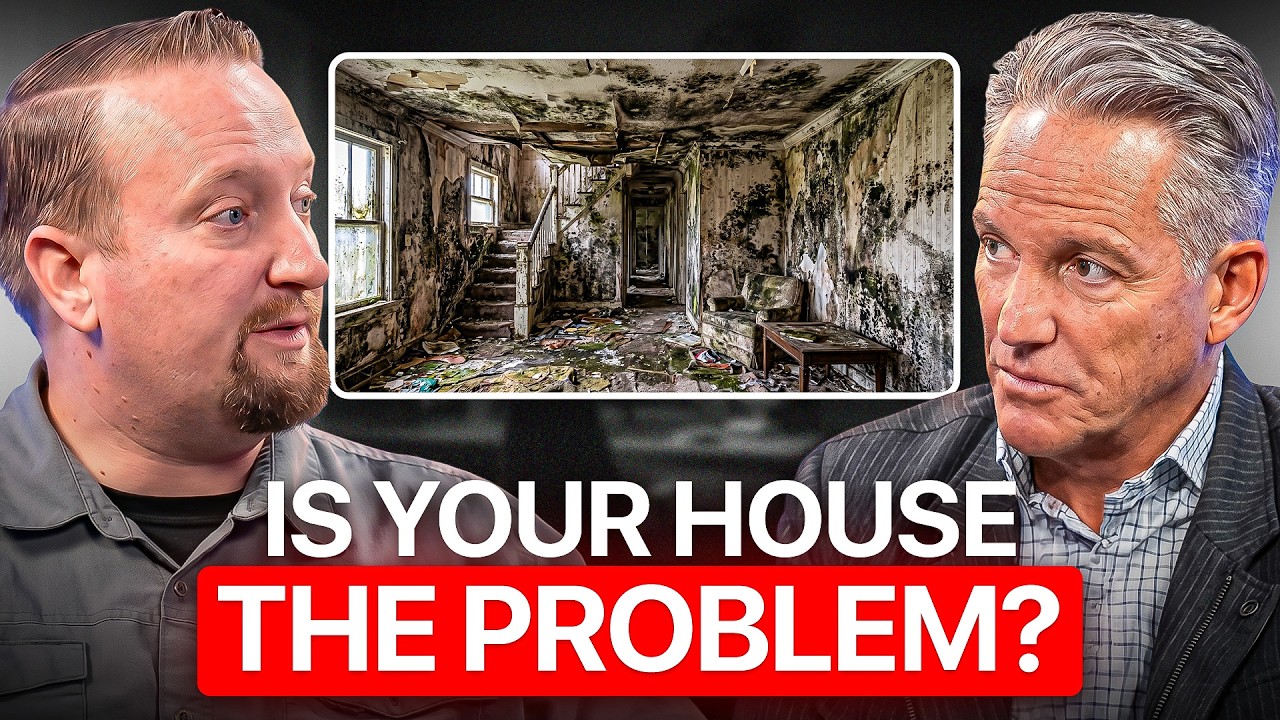
Mold, Mycotoxins, and Biotoxin Illness: What You Need to Know
Mold, Mycotoxins, and Biotoxin Illness: What You Need to Know
Understanding the Real Problem
Why do mold symptoms get misdiagnosed for years?
Most people associate mold with sneezing and eye irritation. Biotoxin illness from mycotoxins looks different. Brain fog, fatigue, headaches, insomnia, joint pain, and new autoimmune flares are the actual symptoms. These send people through rounds of labs and supplements while the source, the building they sleep in, goes uninvestigated.
Does the space need to smell musty for mold to be making you sick?
No. Toxic species like Stachybotrys, Aspergillus, and Penicillium drive ongoing inflammation without any odor. Dead mold causes harm too. The particles themselves are the problem, not only the living colony.
Testing: What Works and What Misleads
Is an air sample enough to rule out mold?
No. Air sampling is a single moment in a single location, shaped by air pressure, HVAC cycles, and where the trap was placed that day. Heavier spores settle low. Lighter ones circulate high. A clean report can sit on top of a hidden colony that was not captured during sampling.
What is a better testing approach?
Dust-based testing, such as an ERMI test, shows historical contamination rather than a single moment. It is more useful for identifying ongoing exposure. On the health side, a Visual Contrast Sensitivity test is a low-cost screen for biotoxin response worth running early.
Are urine mycotoxin tests reliable?
They mislead in both directions. Foodborne mold exposure produces false positives. False negatives are common too. The most reliable assessment is a skilled inspector who knows exactly where to look in the building.
Remediation: What the Standard Actually Requires
What makes DIY mold removal dangerous?
Cutting, sanding, or scrubbing mold launches spores and mycotoxins through the entire house. Once airborne, you cannot contain them. The contamination spreads to every surface in the space.
What does proper remediation look like?
Sealed containment with sustained negative air pressure throughout the process, not just during working hours. An airlock-style decontamination chamber prevents cross-contamination when workers exit. Workers wear Tyvek suits and real respirators. Nothing leaves containment until a post-remediation clearance inspection confirms it is safe.
Does bleach kill mold?
Bleach removes color. It creates the appearance of a clean surface while leaving spores viable. When moisture returns, the colony regrows. Hydrogen peroxide and most retail mold sprays have the same limitation. They cannot penetrate porous materials like drywall and wood where the actual roots live.
What removes mold reliably?
Physical removal. Chase the colony at least two feet beyond what you can see in every direction. Remove contaminated materials entirely. Sand hard surfaces when removal is not possible. Ozone treatments reduce odor afterward but do not substitute for removal and, used incorrectly, aerosolize toxins rather than neutralize them.
Post-Remediation Cleanup
What happens after the mold is removed?
Every surface inside containment gets HEPA vacuumed and wiped down with microfiber. Many professionals use botanical cleaners like Benefect Decon 30, a thyme oil based product, for the wipe-down phase. Tools are not reused between jobs.
Do soft goods survive remediation?
Often not. Couches, rugs, and upholstered items hold particles in ways that cleaning cannot fully address for a sensitive person. Removal is frequently the only reliable option.
Prevention and Hiring the Right Help
What is the one variable homeowners control?
Moisture. Install moisture alarms. Use professionals to verify drying after any leak. Watch for negative air pressure pulling humid outdoor air through wall assemblies, a common source most homeowners never identify.
How do you hire a qualified remediator?
Check IICRC listings. Ask for a written remediation plan that maintains negative pressure continuously. Require post-remediation verification before any rebuilding begins. If a contractor cannot explain their containment protocol in plain terms, find someone else.