Parents Deserve Clear Risk Benefit Data Before Saying Yes
Rethinking Childhood Vaccines
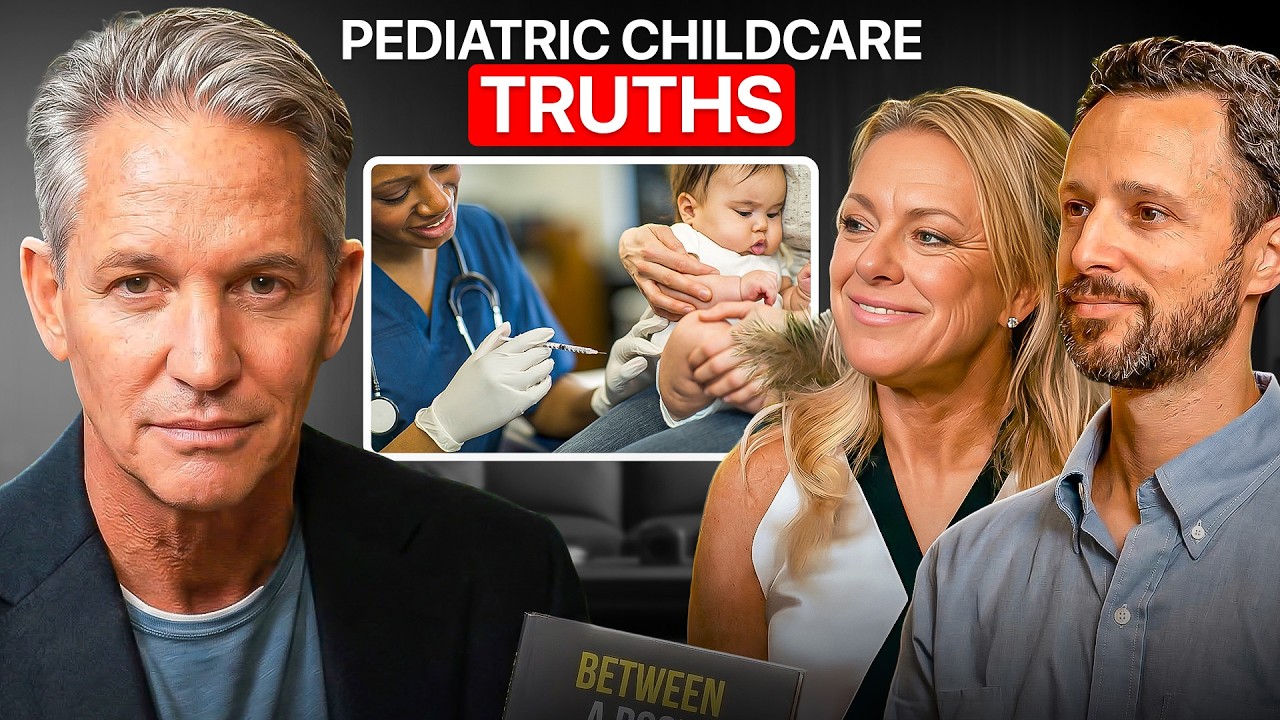
Childhood vaccines have become a heated topic for parents, especially as families see rising rates of autism and chronic conditions. Pediatrician Dr Joel Warsh explains that standard medical training often focuses on the CDC schedule and preventing disease, but spends little time on vaccine ingredients, study design, or long-term safety. Parents need language that respects uncertainty, not slogans. Risk versus benefit should be considered in the context of each child’s health, exposure, and family values. Concepts like vaccine safety, informed consent, parental choice, and pediatric risk-benefit analysis are real decisions in clinics, schools, and homes.
Understanding the Evidence
A big focus is the quality of evidence and what people assume exists. Dr Warsh and the hosts talk about placebo-controlled trials, what “placebo” really means in vaccine research, short follow-up periods, and how much pre-licensure data comes from manufacturers. Instead of labeling a vaccine “good” or “bad,” the practical question is what outcomes were measured and for how long. Parents worry about chronic conditions that may appear years later, so long-term follow-up and transparency matter.
They also note how COVID-era messaging about “safe and effective” contributed to mistrust. Honest communication about uncertainty, natural immunity, and evolving data could have eased polarization.
Autism Research and Vaccine Questions
Autism research is far from settled. Dr Warsh points out that public narratives often claim overwhelming proof of no connection. Parents, however, want studies on broader vaccine schedules, cumulative exposures, and real-world vaccinated versus unvaccinated outcomes across many diagnoses.
The discussion highlights retrospective cohort studies, publishing controversies, replication issues, and bias in interpretation. The key takeaway is not that one study proves causation, but that signals should trigger better research. Open-label long-term follow-up, deeper database analysis, and honest statistical debate help clinicians and families make informed choices rather than trading in certainty.
Policy, Pediatrics, and Everyday Health
They also cover policy and practical pediatric care. Denmark-style vaccine schedules, changing recommendations, and clinic rules can make parents feel trapped in ultimatums. The conversation then shifts to everyday child health: fevers as a normal immune response, when fever reducers are reasonable, avoiding unnecessary antibiotics for viral illnesses, and focusing routine visits on development, nutrition, sleep, and parental education instead of reflexive medication.
Even when opinions differ, the core message is consistent: better science, clearer guidance, and respect for informed choice improve outcomes and reduce stress for families.
Key Takeaways for Parents
- Understand risk versus benefit in your child’s context.
- Ask about study design, ingredients, and follow-up periods.
- Watch for signals that need more research, rather than expecting certainty.
- Focus routine pediatric visits on growth, nutrition, sleep, and education.
- Respect informed choice to reduce stress and improve outcomes.