The "Toxic Soup" You Apply Every Day (And Why You Should Stop)


A stage 3B melanoma diagnosis at 30 becomes even more overwhelming when it happens during early pregnancy, forcing impossible decisions about treatment and life.
We sit down with Corley Spell to explore what can lie behind a cancer diagnosis beyond the surface-level story. The conversation looks at long-term buildup of stressors and exposures, including toxic load, environmental chemicals, personal care products, dental history, nutrition, and immune system strain. Melanoma is discussed beyond the sun narrative, focusing on the bigger picture of health and prevention.
Corley shares her experience through pregnancy, MD Anderson, immunotherapy, and the emotional toll of treatment decisions while navigating fear and uncertainty. The conversation also covers her mindset during rescan moments, surgery, and the path through conventional and integrative care.
Subscribe for more conversations that go deeper than symptoms, share this with someone who needs hope, and leave a review with your biggest takeaway.
-------------------------------------------------------------------
👉Dr. Daniel Pompa Social Media
Instagram: https://pom.pa/instagram
Facebook: https://pom.pa/facebook
X/Twitter: https://pom.pa/x
Website: https://pom.pa/website
Store: https://pom.pa/store
Got a Question? Message: https://pom.pa/message
Dr. Pompa Program: https://pompaprogram.com/
BEFORE YOU EMBARK ON ANY DIET OR NUTRITIONAL PLAN YOU SHOULD CONSULT WITH YOUR PERSONAL MEDICAL PROFESSIONAL.
YOU SHOULD NOT RELY ON THIS INFORMATION AS A SUBSTITUTE FOR, NOR DOES IT REPLACE, PROFESSIONAL MEDICAL ADVICE, DIAGNOSIS, OR TREATMENT. IF YOU HAVE ANY CONCERNS OR QUESTIONS ABOUT YOUR HEALTH, YOU SHOULD ALWAYS CONSULT WITH A PHYSICIAN OR OTHER HEALTH-CARE PROFESSIONAL. DO NOT DISREGARD, AVOID OR DELAY OBTAINING MEDICAL OR HEALTH RELATED ADVICE FROM YOUR HEALTH-CARE PROFESSIONAL BECAUSE OF SOMETHING YOU MAY HAVE READ HERE. THE USE OF ANY INFORMATION PROVIDED IS SOLELY AT YOUR OWN RISK.
Cancer Starts Long Before Diagnosis
Cancer is not something that happens. It didn't happen when you were 29 or 30. It started years before. Mosquito repellent, just this big toxic soup that you're putting on your body every day. Silver fillings have 50% mercury. It's going throughout the tissues of the body, storing because the mercury vapor turns to inorganic mercury, even in the brain. I never even said the words my cancer. I just said, I'm going through a healing journey. I'm walking through cancer with the Lord. Omega-6 is the most important fat, more important than omega-3 in the skin. When you're on the other side of it, you look back and you're like, I wouldn't know Jesus like I do now if I hadn't gone through that. I hate to say it. You know, that's what scares me even about myself. Because when I look back at my journey, it's always the hardest things where I grew the most. Stage 3B, skin melanoma cancer. Oh my gosh, they told her she was going to die. But Jesus, wait to hear this story. Oh, and we're going to talk food and we're going to talk pain to purpose and what came out of that incredible story.
Childhood Exposures And The Perfect Storm
So, Coralie Spell, welcome to my show. Thank you for having me. I'm so glad to be here. Yep. Now you and your husband run Good Ranchers and making a difference there. We're going to tell you all about that. So just hang in there because you have to hear this story. Okay, let's go. Let's see. Okay. How did you grow up? Meaning, like, would you say you grew up pretty normal? Would you say you grew up healthy? Because I just tipped the hand where it led. So tell me about your upbringing. Yeah, because you know, I think that's a curious question for uh individuals who are diagnosed with cancer so young. Yeah. I was 30 years old. 30 years old, yeah. Um diagnosed. And so and that was a part of my healing process. I I hate asking this with a woman, right? But it's like I was three years old. How old are you now? Yeah, I'm 35. Okay, great. Five years ago. I just had to set the context, but yeah, okay. For sure. And so, you know, and that was part of my healing journey was going back and going through, you know, all of my my life history and yeah, because cancer is not something that happens, it didn't happen when you were 29 or 30. It started years before. Right. And that's something I understand. That's why I wanted you to go back. You know, let's look at your childhood. Yeah, I mean, I grew up pretty normal. Um, we've always been in church. So I grew up a Christian. I'm thankful for my faith, for my foundation with that. I played sports growing up. I was in competitive soccer all my life. So just on the field in the sun a lot. I don't think sun is what gave me skin cancer, but probably all of the um sunscreens that we were putting on and you know, all of the materials. One of the things I say about sunscreen is it blocks the UVB, meaning the rays that burn you, right? No one wants to get burnt, it's not a good thing. That could be problematic, but it blocks UVB, but not the UVA, most of the sunscreens. And the UVA is what actually can be problematic and age your skin prematurely. Yeah. So that's why. So it allows you to be in the sun longer than you should be, and it actually increases cancer, not to mention the all the chemicals that are in there. So I'm not a fan. So that mixed with you know mosquito repellent, just this big toxic soup that you're putting on your body every day. I I grew up in Houston, so hot, mosquitoes, all the things. Um, so yeah, I was into sports, grew up, went to college, normal life. Um and then fast forward to when my husband Ben and I met. We met when I was 24. Ben sitting over there. Yeah. Babe. Um, and then we were married very quickly afterwards. It was a whirlwind romance, about six months. Do you agree with that, Ben? Whirlwind romance? Yeah. 100%. 100%. Ben says, if you object with anything, just shout it out. When you know, you know, and we just knew. We both had come from some pretty bad relationships before, and it was just great being together. And so um, he was a worship pastor, and so I thought I was marrying into ministry, which was fine. I was totally on board with it. But then God had a different trajectory for us, which led to Good Ranchers, which is a whole other story. You should probably interview him next for that. Yeah, that's right. I said I was like, am I gonna get to I mean we'll we'll we'll make you two sit over there and we'll get some insight on that. I might make you come out here. Don't don't tempt me. Okay. Um, so yeah. So, anyways, uh, you know, basically you're saying you're growing up pretty normal. Yeah. Yeah. How did you eat as a family? We were uh we were fine. We had home cooked meals um all of the time because we couldn't afford to go out to eat, and so we ate at home a lot. I mean, I don't think it was it's not what I'm feeding my family, you know, these days. I did grow up uh next to chemical. Yeah, I mean you took it to a whole nother level now. Yeah, of course. I grew up next to chemical plants, which I think had a lot to do with it. I mean, they were you know four stoplights away. Okay. See, it's so funny. You just read my mind because I'm hearing, you know, did pretty much normal childhood, you know, for that time, you know, in Eric. Serious illnesses, yeah, nothing like that. So my next question, because I do this for a living. I mean, I mean I sit across from people trying to figure out how they got to somewhere, right? So my immediate thing was, were there any factories around where you grew up? Because we grew up in Pittsburgh, and you know, this one factory, everything downwind of this factory, all thyroid cancers went through the roof. Certain chemicals, you know, cause cancer of any sorts, and you know, your genetic weakness will you know, show its ugly hand. Um, so what were some of these chemical factories? Oh gosh, what are they, Ben, over in Deer Park? Oil and gas. Oil and gas. Yeah, petrochemicals. Yeah. Yeah. Which by the way, a lot of the petrochemicals in the air from these things actually they lay on the skin. It's a film. So that doesn't actually surprise me. The skin didn't have a chance. Yeah, a lot of people end up with lung cancer too. But yeah, so these are problematic, right? Yeah. And I wonder, wonder if they some of these um have changed some of their practices because you know, uh, through the years, some things got better. Yeah. But over the years, there were some serious exposures from these petrochemical factories. I would hope so, but honestly, as soon as I was 18 and I moved out, I didn't go back because I just knew it was bad, that environment. This is maybe something you yeah, what what made you know it was bad? Just uh just how you felt? Uh I didn't feel I never felt sick. Yeah. I just knew that chemicals were bad. I think as I got older, I started becoming more aware of things. My sister, she's five or six years older than me, and she got married very young and started having children. And so I got to watch her, and I was 13, so I got to watch her raise children. And she was ahead of the game with no vaccines, homeschooling, all of it. And so I'm very thankful that I had her in my life to kind of like guide me uh down that road. And so I just kind of started paying attention to things and and knew that I wanted to be in a cleaner uh space for where I grew up. Were there other people, friends, neighbors? Did was there any other cancers? Was there any type of, you know, basically guess around these factories? Oftentimes people start realizing that wow, it seems like a lot of people in our neighborhood have cancer. Was it one of those things, or did you not? I mean, when I look back on the church family that we grew up with, it was a small church. I can name five people that had cancer. Yeah. So yeah, I would say so. Was there a chance that your home was moldy? Did you have you know anything like that? No. Probably. Probably. Okay. The reason I'm looking at it. It's hard in Texas not to have mold. I'm really like it's it's hard. What I'm doing is like when I sit down across from somebody, I I look for the perfect storm. Meaning typically it's not one thing. Yeah. So we know that you had these petrochemical exposures from these factories, right? So that that's you know, number one. Number two, you know, I start asking about their homes, things like that, because moldy homes, even low-grade moldy homes, can be another storm. And if you remember the movie from George Clooney, right? Three storms come together and you have a catastrophic storm. That's the diagnosis. Yeah. Right. So I always teach my docs, you never look for one stressor. It's what are the others. So another one could have been a lot of emotional stress. Sounds like you had a a pretty normal childhood there. I mean, I started getting into partying and drinking at a young age. So I was doing that. I um was on birth control at 18 years old. So that's a problem. So many factors. When I look back, I'm like, okay, sure. Of course that happened. Yep. Because then I became an adult and I was able to make my own decisions and pay for my own things and you know, deciding how I'm gonna raise um my family. Then I started implementing cleaner practices, cleaner lifestyles. But that's not until later. You know, you're you your body keeps score. It's absolutely and these toxins are persistent toxins, they call them in the scientific literature, meaning they bioaccumulate, they stockpile until 30 years old, and then you get the diagnosis, right? Yeah. So that's what people don't understand. Again, it didn't start at 30,
Dental Toxins And Hidden Infections
it didn't start at 29, it started back here. So here's another maybe crazy question. Um, did you have any wisdom teeth removed um when you were a kid? So you have all your teeth, no teeth rescue. Here's why I asked the question, right? This teaching moment for people. People, what happens you get wisdom teeth out and they heal over, but they form a cavitation, meaning a lucency where there's no bone formed. Infections go in there. There's studies from root canal studies and these cavitation studies. Cancer is it is one of the downstream in a lot of thyroid cancer, breast cancer, ovarian cancer, typically on the side of these infections, but it can also be systemic cancers like a melanoma. So when we look for hidden infection in the oral mouth, we think cancer. And that's why we ask the question. Now, I also have learned that people with wisdom teeth, because that's where most of these cavitations happen, uh, because they're so big and they leave such a space behind that the wisdom tooth could just not come out perfect or it could be angled, impacted, and then there's a void behind it. An infection can get in there. And um, anyways, so it's something I would if I were you, um, I would still get a what is called a cone beam, C-O-N-E-B-E-A-M, and see if you have any of these infections. Why? Because these infections hide from the immune system and they challenge your immune system and they weaken the immune system. So there's no symptoms for them. No symptoms for them. Wow, that's insane. Yeah. Yeah, I did have my uh I had silver fillings as well. And I had to do that. So because when I think cancer, I look for the oral stuff, and silver fillings got me. It was part of my perfect storm. Yep. So and that mercury, silver fillings have 50% mercury, it's going throughout the tissues of the body, storing because the mercury vapor turns to inorganic mercury, even in the brain, and then it it's there for life. It's half-life is longer than we live. And mercury has massively disrupted effects on the immune system. Yeah, it's overwhelming when you think about it, all of the things. But so in that short conversation, without running one test, I found a perfect storm of things that you know absolutely can be problematic. Yeah, and then doing my own search, uh, research on melanoma, I there is um correlations between melanoma growing and pregnancies. And I was pregnant. We had five pregnancies, we had one miscarriage, our first one, and then four after that, just right, all of my children are 17 months apart, and so I for five, six years I was pregnant or breastfeeding, and that's kind of an environment, a time when things like cancer can grow. And so when I read that it I felt like that was something that played a big part in no, I'm not blaming pregnancies, but if you didn't have those other storms, so that was just a yet another stressor on the body. So it was again part of the perfect storm. Yeah. But in and itself wouldn't be causative if those other things weren't a problem. Does that make sense? Yeah. And my first diagnosis was in um 2021 when I was pregnant with our fourth baby. I was six weeks pregnant, and then I got the call that I had cancer. And yeah, so and you weren't someone who laid in the sun a lot. I I'm just going back to that sun thing because I would say nine times nine out of ten people watching this would think that melanoma is a sun problem. Right. But when you look at the studies, and I'm sure you have people in working in buildings have even higher rates of melanoma than people that work outside. And it's it's uh places on your skin that never see the sun. Exactly. Where was yours? The first spot was um behind my right calf. Yeah. So it's systemic, right? It's sun. I do believe though that um if you read anything on this, because now you're super into diet, um, seed oils, vegetables, canola is you know, those omega-6 fats are so important in the cells in your skin, so important that when they're rancid, they have such an effect on the membranes, especially in the skin. Omega-6 is the most, it's the most important fat, more important than omega-3 in the skin. Okay. Yeah. That's okay. So people like um thinking omega-3 fish oil is important for the skin, it's actually omega-6. So therefore, bad omega-6, rancid omega-6 in the form of vegetable oil, canola oil, seed oils, which is in a lot of even healthy foods, I know, whole foods. Drives me insane. It's like so it it affects the skin, and studies show, mouse studies show that when then exposed to sun or other stressors, toxic stressors, then
Finding The Spot And Getting Diagnosed
those skin cells can turn to melanoma. Well, so get rid of the bad seed oils. Yeah. So okay, tell your story. So let's tell that. We kind of did a history, maybe how you got there for our viewers, but now tell the story. The diagnosis came, age 30, walk us through it. Yeah, so I I made an appointment with our dermatologist because um Ben had a weird spot on him on his back that I I thought looked suspicious. And so took him in, biopsy did it was fine. But then I was I was there, so I asked her just to do a skin check on me. And like I said, I was barely six weeks pregnant with our fourth baby. And so looking over my skin, she saw the spot on my calf and she said, Oh, that doesn't look good. Let's send it in. And so she did. If you could best describe what it looked like. I mean, it I didn't know anything about melanoma. So I didn't know what to look for, but looking back at it, it it was it was um uh a a strange like it wasn't asymmetrical, like it was kind of a weird that was asymmetrical. Oh, yeah, yeah. It wasn't symmetrical. Yes, yeah. And and then it was two-tone. So part of it was darker, part of it was lighter. Blackish red. Yeah, uh-huh. Part of it was very dark. And so looking back, um, you know, that was one thing I I feel like with my story. I want people to know, like you can look at your skin, you know, you can look for this yourself and definitely go to a dermatologist. Um, so she biopsied it, came back, and sure enough, got a phone call not too long after that, that it was melanoma, cancer. I didn't even know that was cancer. Cancer, um I have to refer you to MD Anderson to see if it spread to your lymph nodes. And I have I haven't had any family members go through cancer. So all of these words, I'm just it I'm 30 years old and pregnant with my fourth baby. I'm terrified. Yeah, what was your if you go back to that moment on the phone, what was your first feeling and you know, describe it. This isn't true. This can't be true. Shock. I was just shocked. I couldn't even finish the phone call. Ben had to take the the phone and talk to her for me because I I was like, I can't do this. Did his turn out all right, his spot? Yeah, he was fine. Of course he's fine. Yeah, of course you're fine. I know what that meant. I know what that meant in a good way, I know what that meant. Um because Ben's always fine. Yeah. Anyway, so um, and I don't know them, but I know what that meant. Yeah. All right, so um yeah, that feeling of then when did that settle in? You know, meaning like, okay, you know, what was your next thought? Ben's on the phone, and now you're thinking, yeah. Did your brain go into plan mode, like what next? Or what you know? Yeah, I mean, I so it's funny because I am a um an event planner, a wedding planner. That was my my job before we started get a ranchers. And so see that movie, The Wedding? Yes, so good. Classic. And so I just start, I'm like, well, what do we do? Uh for two nights I was just shook. I was I was distraught. I was crying all through the night. And then I just I got over it. And and I said, my prayer was that the baby would be safe. How long did it take you to hit
Faith, The Holy Spirit, And Authority
your knees? If you oh, immediately. I mean, that that was like always you're probably walking away, he's on the phone walking around the room praying at that point. Yeah. But my faith has grown immensely since that phone call. Like it's just to look back on the journey, you know, when you go through a storm or you you go through a fire like that, it's it's it's hard and it's difficult to see. But when you're on the other side of it, you look back and you're like, I wouldn't know Jesus like I do now if I hadn't gone through that, you know. Let's talk about that because I want people to hear that. I hate to say it, you know, that's what scares me even about myself. Because when I look back at my journey, it's always the hardest things where I grew the most. Yeah. And and not only that, my my biggest purposes came out of right. Yeah. Because when people say, I don't know what my purpose is, I'm like, well, look in your pain, right? Pain to purpose. And it's like, so it always scares me though, because I none of us want to go through another pain. I know. And yet we all want to get closer to Jesus, to God. You know, it's like, so you know, and I I hate that thought. Okay, but that said, where were where would you say you were in your faith? I mean, you were obviously a real true believer. You believe Jesus was the only way that before the diagnosis, right? Yeah. But yet describe that faith compared to what you are now or grew into. I think I am like very spirit-filled now. And um, I grew up Southern Baptist, and so that wasn't something that we talked about much or or really learned about. And so I had the foundation of of Jesus and my salvation, but as far as the Holy Spirit and what that means for me, um, that has grown just a ton. And so I'm very thankful for that. Well, you know what, for our sake, you and I understand what that means, but for our viewers, because I I have viewers of every religious background, right? So kind of explain what that means because we say we believe Jesus is the only way, you know, not our works. You know, believing in Jesus died for us because we can never be good enough, no matter how hard we try, that gives us salvation. So when we say the Holy Spirit, what does that mean? We have God, we have Jesus, and the Holy Spirit give the best explanation as you can. I mean, I feel like they're three in one, right? The Holy Trinity. And so I feel like a good way to describe it is maybe like an apple. There's the peel of the apple, there's the meat, there's the core, the seed. It's all different parts of it, but it's all one together. And so I feel like I grew up with only two parts of that. And so now that I feel like I'm spirit-filled, and by that I just mean I realize and I understand the authority that I have because of Jesus dying on the cross for me, the blood that he shed gave me that. And so, and he didn't accomplish all the things on the cross for me to to live with the disease, to live with cancer, and to accept the death sentence that someone tells me. Like I never accepted it. I never did. Yeah, and that's that is because that's spiritual right there. We'll we'll talk about that. But yeah, so I mean, the moment we believe that Jesus is the way, right? God's spirit enters us, but it's something that you learned to step into in a way that empowers us. Yeah. So when you said you became more spiritual, you would now realize God is in you. And that is really unique about Christianity, right? God is in you, and therefore you had more power than you thought. And you started walking in that, living in that. So, how did your life change? Like, meaning, how did you start living life different than you were before? Um, I honestly did a deep dive into Jesus healing in the New Testament. And coming out of it, I I feel like everyone's faith had so much to do with it. There's so many times when the story of him healing, whoever it was, so many times where he says, Because of your faith, you're healed. Because of your faith, this is done. Yeah. And you have to imagine so many people were around him in that whenever he was walking the earth, but not everyone got the healing. But it's the people who didn't go to him that didn't get the healing. Everyone who came to him got healed. Even the woman, I always marvel over that, right? He was walking and she went up and she just touched, I can visualize that, right? Just touched his garment and he turned around because he said, I felt power leave me. Power leave me. Yeah. Who touched me? And it was like, Oh, I'm gonna get in trouble, maybe, right? It's like in and you know, she said it was me. And you know, and he said, Because of your faith, yeah. It's like because her faith was so great, she just knew if I just can touch him, I might anyways. Your faith healed you, yeah. Yeah, and then the the man um with the paralyzed worker guy, right, back at his house, he's like, he can't move, but I'm I'm a I'm a man I'm of authority. If I tell my if I command my my guy. Go, they're gonna go. So I know if you just say it right now, Jesus. He was the Roman commander. Yes. Yes. And Jesus was like, He's he's like, I've been everywhere and I have not seen faith like this. Yes. And then he did it just like that. He was like, just the thought. Yeah. Exactly. And so I just I leaned into that hard. I did. And and I and everyone's walk is different and everyone's faith journey is different. And I know that some people may not understand that because they haven't gone through it themselves. But I just, I just know that the faith that I have for my eternity, I trust God with my eternity. That's the same faith that I trust for my earthly healing, too. Yeah. I mean, okay, so a lot of Christians, a lot of believers, a lot of people in general that would say they believe in God, right? They're even praying, they're believing. However, they're typically just going to do what the doctors tell them to do and not dig into you looked to Jesus to heal you, just like those stories we just told. Yeah. And you thought, why not me? It's my faith. So you dug in there. I did. Yes. Pressed and hard. And I I mean, I was so the first diagnosis happened when I was six weeks pregnant. So let me tell that story real quick. Um, I I was scared and I was more scared for the baby. I wanted the baby to be safe and they pulled us into all this. What age was this? This I was 30. Okay, still 30. I thought this was a different okay. All right. So
Pregnancy, Surgery, And A Second Scare
20, 21, 30 years old, pregnant, and they're they're pulling us both in. They're trying to convince him to convince me to have an abortion because I couldn't do a CT scan if I'm pregnant. They couldn't do any treatments on me. And so we are like, uh no, heck no, move on, you know, what's what's the next uh scenario? And so they finally got over it that I wasn't going to terminate my baby. Oh, I know. And um I mean that's like completely not trusting God there. Oh, I know. Yeah, truly. No, it's not I can't even imagine giving such a a I know. Yeah, I it's beyond me, but anyway. Yeah, the the tactics that they use to try to manipulate you. It was just, but we knew we both knew exactly what we were going to do. And so the next case was, hey, let's do we need to do surgery to remove the skin around it, see if it spread anywhere, um, and test the nearby lymph nodes because we can't see anything on a skin anyways. And so we prayed about it. I am I've always been holistic in um in every way since we've been married, had children. And so I really struggled with going to MD Anderson, like at all. Um, and so I had to, I had to get peace with all of this. I had to pray and just let the Lord lead, guide, and direct this because it was so hard for me to just to be there. Um, but we did. We had peace about the surgery. Um, they said do it in the second trimester. That's when the baby is um safest. So we did that and she was fine. I went full term. They didn't find any um melanoma around the original spot. Then what they biopsied, they biopsied one lymph node in my groin and found a tiny, tiny bit. Not enough to, you know, make me have to have the baby at 24 weeks or whatever they were, you know, threatening me with. Um and so had the baby full term, she's healthy, I'm healthy. And so we just do scans after that just to watch. And then about two years go by, and in January of 2024, I felt a swollen lymph node next to the one that they were. So you're 32 at this point. Okay. I swelled a s I felt a swollen lymph node, and I knew immediately I know what this is. Um, because I felt like the chapter never really closed. I was on, I went through a faith journey with the- I wonder why it was the one it's on the side they biopsied too. That's I think it was always there. I think it was always in that lymph node next to it, and it just grew. Okay. And I felt like the Lord wasn't done with me, with my the faith part of it and growing that. And so I wasn't mad. I wasn't like, oh, like I never, I never questioned God, why me? I I always knew I'm like, this is it's for me, it's for me to grow, but it's also for someone else. Right, always. And so I really pain is never just for us. It's never for us. And so I just had that mindset and and um we went to MD Anderson, they biopsy, sure enough, melanoma again. I'm like, okay, let's go. And since that, you know, second diagnosis, I think it was always there. I don't think it like came back or anything. Um I was just hell bent on I'm going to be healed. I don't know how or when or conventional, integrative, holistic. I just knew I was gonna be healed. Um, but a part of that was we had to pray again. How are we going to do it? Because we did all conventional this time and it didn't, it didn't work, right? Like it's still here. And so I was prepared to go to Mexico to Dr. Tony, you know. Miminez, yeah. He's been here. Yeah. Yeah. And um, thankfully I was connected with a good friend, Taylor Duke. I don't know if you know her. Um, she's she had a brain tumor, and she's I she's uh she was a nurse practitioner, but now she's whole a holistic one. Anyways, so she shares her story a lot on social media, and I was connected through her, um, through Ali Bestucki, she connected us. And um, anyways, she went to both. She went to can't uh Mexico, she said it was amazing. She also went to Dr. Keneally in Irvine. Yeah, Irvine in California. And she's I talked to her and she's like, I think you should go to Irvine first. And I said, Okay. And so um, you know, MD and I didn't tell MD Anderson any of this because they were already mad at me because I I didn't immediately just jump into immunotherapy and all the things. I was like, hold on, I want to take some time, think about this. They were probably like, see, we should have given you full-blown chemo. That's why it came back, right? Yeah, okay. Because you went through with the pregnancy, because we got your fault, your fault. Yeah. And then trying to pressure me more, like, we just want you to be around for your children. And I'm like, what do you I want that? Don't you think I want that? Oh my god. And so for a good two weeks, we Ben and I just really were just
Integrative Care And Immunotherapy Fallout
praying hard, like, Lord, where do we go? Where do we go? And then doors opened and we went to um Irvine and we were there for about two, three weeks. And I liked it because I had young children, all my babies were four and under. And I didn't want to go to Mexico and leave them and try to them come visit me. It just didn't make sense. And so California brought them out a few times. Ben was able to go with me, and I came back on the weekend. So it was very manageable. And, you know, Dr. Keneally, she's got really great protocols and looking at a 360 view of cancer. And um, so I just feel like there I did a lot of the alternative therapies that really strengthen my immune system before doing any of the MD Anderson things. So that was helpful. So, okay, so you you did some of these things that strengthen your natural immune system, which I would have probably done too. So um, and then what? Um, then I go home and I'm feeling stronger than ever. I've lost 30 pounds. I'm on a super strict, you know, restricted keto diet. Um, feeling great. I'm not a cancer victim. I don't look like one, I don't feel like one. Go to MD Anderson, and we we researched immunotherapy. They wanted me to do it two times and then do surgery to remove the lymph nodes. And so we prayed about it. I felt fine with immunotherapy um because it's different than chemotherapy. Explain what the difference is and you know the pros and cons that you saw at that time. As just a normal human being who's not a doctor, right? I said, I know that chemo kind of kills everything in an effort to kill the cancer. Yeah. Immunotherapy, I've I realize wakes up your immune system. Yes, there are there are risks and there are things that can happen from it too. You know, your adrenal glands, your thyroid, all that can shut down, but it has a longer um what do you call like longevity of um like the healing or yeah, remission uh. Yes, yeah, yeah. Um and and the side effects didn't, they didn't scare me. Like I wasn't, I didn't and I just it's funny, God gives you these little nuggets, right? I just my neighbor's mom did it and had zero side effects and is cancer free. And and so I I just felt like God was saying it's okay, do it. And so And that's the thing, when you're on your own journey, you truly have to seek the Lord because He can heal in any way, any form, you know. Obviously, there's there's better ones, there's ones that you wouldn't suggest, but everyone's on their own journey. And so um did the immunotherapy, did the first dose, was fine, and then two weeks after that just went down. Just fevers, high fevers, night sweats. It turned on you, your own immune system, really. Yeah, but in my mind, I'm like, well, my immune system's waking up. It's fighting. Okay, let's be good, right? Yeah. And so I go back in for the second dose, you know, two weeks later, and I ask my oncologist, I'm like, what would you do? Like, I just feel so sick. What do people do? And she's like, Well, usually they just ask for a steroid shot and don't get another one. I'm like, Well, what do you think I should do? And she said, I think you should do it. I'm very competitive, so I did it. I'm not a quitter. And again, I just felt like that was the what the Lord wanted, right? And so I did it. And then I got so sick. I was bedridden. I couldn't walk, I couldn't get up to brush my kids' hair. It was horrible. Um, I mean, I was on my deathbed. And so And by the way, we never really talked about that. When was the you told you're gonna die? Not even yet. We're not there yet. Okay. All right, good. I'm glad we didn't miss it. Because at this point I feel like I'm dying. Yeah. And truly in those weeks, thank God my starting at the size of a marble right now. Oh, yeah. Yeah, the repeat with Benzin. The lymph node, the swole one that I felt initially was the size of a marble. I barely noticed it, and now this thing was like the size of a grapefruit in my groin. It was red, it was huge, I couldn't walk. I was so sick. And thank God I had my mom because she um she stays with us and helps with the kids, and she was helping, you know, take care of the house because I was just you know wrecked. And I remember because I I feel like I was like fighting so hard. I was like, I'm gonna be healed, I'm gonna heal it. I'm I'm doing everything I can in the natural, right, and in the supernatural, like faith, prayer, all the things. But I like came truly to the end of myself, and I'm like, Lord, like maybe you're calling me home. And I I remember telling my mom, I'm like, even if he is, I'm like, I'm so thankful. Like it's okay. Because you know, as Christians, like our hopes not in this life, right? Like, even if even if when I was sick, I I was okay with going. As a matter of fact, living my life like it was was more scary for me. Yes, yes. And and so I was like, if you're calling me home, like I'm so okay with that. You've already done so much for me. Like you died on the cross for me. Like, yeah, my hope is secured. I don't lose here. I don't lose. And I feel like that's when the healing happened, truly. Oh wow. I feel like that's when I like lifted that up to God. When you completely surrender let go, surrender. I'm not, I can't do one more thing, you know. I said I interviewed Pastor Zigga here, his amazing human global minister, and uh he said that. He said, you know, oftentimes it's until we give up something and sacrifice something, that's when God moves. And I sat there and he was telling my son that it wasn't even in the interview. Um, this was at dinner, and that's exactly what you just said, right? It was like you you sacrificed really everything in that moment. You laid it all on the altar. Like, take me if you want me. And you met it in your heart, and that's that's when he moved. Yeah, and that was something that happened in Zigga's life, same thing. It wasn't until that full sacrifice. Yeah. Um so you know, deathbed, horrible. Um, we have to go in for my rescans after that so they can see everything that's going on. And so you still have this great fruit. I can't walk. I can't walk. I I he has to he has to wheel me into MD Anderson. And just a month or two later, I was rocking it. I was so strong, right? So it's just this I mean, so but I think the point was is you did nothing then. Wait, so from that point you did nothing for that month and you uh you started getting better?
The Death Report And A Turning Point
So he brought me in, Tim Danderson did scans, and um I'm so sick. My my um my blood test is horrible, my white blood cell count is so high. She comes in and she reads the scans to us and she says, Your cancer laughed at the immunotherapy. It's spreading all over and all over this lymph node basin. There's just one down here, it's it's lighting up everywhere. We think it's spread to your brain, all the things. And reading me this death report, right? And he's freaking out. But um, I don't receive it. And she says it, I'm like, that's not true. What uh can you guys fit on that thing? Come here, Ben. Get over here. Just pull those out. Pull those up, pull that one out. There you go. All right, we'll make sure you're in the frame. And put that mic between you. Yeah. Put that mic between your eye. Yeah, there you go. Yeah, look at that. See, that's perfect. Okay, and bring it up closer to yourselves. There you go. Thank you. Man, what were you thinking at this time? Oh man, it was it was rough. I mean, to to say the least. Um pull the mic a little closer. Yeah, it was it was rough to say the least. Um you know, and one of the things that Corley didn't say is, you know, when we have four young kids at home and um and and all of our kids sleep upstairs and you know, and like you know, every single night, because and our youngest Daisy was two. One one and a half, too. And you know, your your kids don't understand why mommy can't tuck them in, you know, and and they just cried every single night, you know. Where's mommy? Where's mommy? She's you know, she's they don't understand. Um sorry, it's a great story because you you are healed, but yeah, but walking through it, I mean, it's hard. And so we still had to walk through it. Yeah, and we and we had full faith that she was gonna be healed, and so to to go to Indy Anderson and to hear the doctor say um that your cancer laughed at everything we did and it's spreading and it's potentially in your brain. Yeah, and uh and they said, um we want to give you this um we want to give you this medicine. Um we're gonna put it in on the pharmacy. Um it's a targeted therapy. It's a it's a targeted chemotherapy. And um and they said, we know it's not curative, but at this point we have to do something to like we can't even do surgery right now because it's just so big and and and and so we need to do something to try to shrink it to make surgery even manageable. So um I will quarrel down to the pharmacy there in MD Anderson and um and we get the medicine and it's a I don't know what it was called, but it you know it says black box warning. Yeah, it's got chemotherapy. Which she didn't even tell me it was chemotherapy. And and on the back of the box, the number one side effect is may cause more cancer. Like we still have the box, like it's it is crazy. And so then Corley like passes out in the wheelchair right there, and so with that word, yeah. Yeah, um well I mean she was so just so sick. I guess she was just so sick already, and and uh so I take her we t I take her to the emergency room there at MD Anderson and they check her in, and um we we s we spend the night and they let us go the next morning and we're driving home in just complete silence. Um again, because the report was not what we were hoping for. And um I mean I'll never forget um I'm driving and Corley just says what was it like when God spoke to you? And I'm like reference to the bigger. What are you talking about? Yeah, yeah, yeah, yeah, yeah. And uh so um yeah, y'all touched on it at the beginning. Our you know, our story, I was a worship pastor, yeah, I had no plans on being an entrepreneur, starting a business. I mean, I was I've been in ministry full time since I was 19, you know, to my mid-30s and got out of the blues and tells me to start a meat company um and um he started giving me ideas and and and I and I remember telling Corley, like, man, you know, somebody should do this, this, this, and this. If somebody would do this is this, because it didn't think it would be us. But over the course of about a year of keep having these ideas. One morning I was getting ready for the the church that I worked at when and I had started thinking these ideas of a meat company, and God said, You do it. And so I came out of the the the the the room and Corley was feeding her firstborn her firstborn, yeah. He was maybe three months old at the time. And I said, I think God just told me to start a meat company. And um in and a testament to her faith even then, um, because I thought she was gonna say, We don't know anything about that. We don't have any money. She said, if you heard God, then I trust you. So then she said, driving home, yeah, what was it like when you heard that voice that you just heard, right? When God spoke to you. And I said, I I I mean it wasn't audible, but I just knew that it was the Lord. And I said, Why? And she said with you know, tears in her eyes. Because I really believe I heard God two weeks ago tell me that my cancer was dead. And I said, Why didn't you tell me? Yeah. She said, I wanted to wait and get the report. And so for them to tell say that it's thriving, she's like, I don't understand. And I said, baby, if God said it's dead, we're gonna believe that it's dead. And she said, Okay, I'm not gonna take the chemo. That's the faith, man. And I went, Well, hold hold on. And she said, No, I'm I'm tired of being sick. Yeah, because at that point you can't even make a decision. I'd rather be dead anyway. Yeah. Yeah. I mean, you know. So we go home, her mom and her sister are there waiting for us, and they knew the report. And they said, Well, okay, well, what do you do? And they said, Well, they gave us this chemo they want me to take. And they were like, Okay, well, let's, you know, let's do it. And she said, No, I'm not gonna do it. And her mom got pretty upset. Um Yeah. Okay, so mom they thought you were kind of crazy, I mean, honestly, right? Yeah, and then yeah, and they were like, you know, her mom which is felt like uh you're gonna die and you're not doing anything about it. Yeah, that's typically what people would think, right? Yeah. Blind faith, if you will. Yeah. You know, you listen to the doctors. And so again, she's still bedridden at this at this at this point, and you know, we're praying and believing and and um but about after about three days, she about three days later she gets out of bed and she starts walking around a little bit. About five to six days, you know, total later, um she's feeling a lot better and she's almost and and and it's and you we can physically see yeah everything shrinking. Yeah, yeah. And did nothing but trust God at this point. Yeah. And so we called MD Anderson and said, Hey, we want to do a rescan before surgery. And they said, Absolutely not. We've we have everything we've seen. We we've seen everything we need to see. That's just the chemo doing what it's supposed to do. So they thought you were taking it. Yeah. I never told. Oh my gosh. And um and so Corley, Corley Preston said no, uh demanded a rescan. And so they said we don't want to expose you to more uh radiation. But since you're since you're persisting, we'll have you come in and we'll do an ultrasound. And if we deem it necessary, then we'll do a rescan. So we went in to do the ultrasound, and I mean it wasn't two seconds that they had the the thing on on her, and they'd go, we need to get you in for a rescan. Well then they then they said, Okay, we'll do a biopsy. And so they biopsied four different samples, and all four of them came back dead. Oh my god. And so at that point, then the surgeon and my oncologist were like, okay, let's do a rescan tomorrow. They did the rescan and uh they said, Hey, good news, everything's shrunken by more than fifty percent. So we can get you in for surgery now. Um, but don't get your hopes up too much because this is just what uh this is what the chemo is supposed to do, but we know it's not a curative. So at that point, did you we didn't tell them? Oh my god. I didn't tell you. We knew and we just looked at each other. Um so because they're they they've watched that chemo fail every time. They see see shrinkage and then it comes back with vengeance, is what happens. And he in his mind, that was coming, so he didn't want you to be disappointed. Yeah. Yeah. So we went in and did the surgery. Um it went extremely smooth, and um, they had to do all the biopsies afterwards, and three or four days later we got the call and they said, Hey, uh, or because we we had to go back in uh for the report, and they said um everything we removed that was cancer is completely dead. And uh all the things that were lighting up in the original scan that we were saying that it is bread, there was never any cancer. Praise God. Praise God. That's Jesus right there. And because of your faith you were healed. And so you're gonna be able to do that. And that's when we told them that that's when and and at that point, and she said and she said, I want you to keep taking the chemo. She said, Again, you know, yeah, we want you since we had such good results from the the chemo, we want you to keep taking it for the next year. And that's when you said I never took it. I never took it. Did they get mad? Her jaw hit the floor. Well, she was wearing a mask. Okay, yeah. But you yeah, you can see where someone's jaw hits the floor, you see it in their eyes, not their jaw. You see their eyes. And and but she didn't know what to say. Okay, because oftentimes they they get mad. She was mad. I knew it. See, I know why Why are you mad that we have a good report? Right. Why are you mad? Because if I took it, we would would not have this. Why are you mad? See, I don't get it. They always get mad. They do. And so I had to help her. I like literally had to help her. I was like, okay, so if it wasn't from the chemo pills, what would you then be telling me to do? Right. And she's like, okay, that's a good question. We would just do scans and watch and scan. And I'm like, okay. Okay. All right. Yeah. And that was two and a half years ago. Yeah. And yeah, and everything's been fine, right? Well, it's it's not coming back because Jesus healed it. I you know, say if you did a natural thing, I'd be like, Well, you, you know, hey, I'd be on guard, right? You know what I'm saying? Because, but this is different. It is different. Because you know what, he took away the cause. We don't even know what the cause was a perfect storm, but he took it away. He took it away, and that's the thing. And I feel like with my story, he's like, you're not gonna know what the the magic, the silver bullet was when people ask you, what did you do? What did you do? I did a little bit of everything, y'all, but ultimately it was Jesus that he absolutely. He took away the perfect storm, he took away the cause. That's why it's not coming back. Yeah, you know, you could do the perfect uh alternative ozone therapies, this, that, the hey, look, there there's still a good chance it's coming back because the cause can still be there. Well, not when Jesus heals you. Yeah, okay. I mean, I I've I'm I'm all fired up here. You know, I am I I'm like now, okay. So did anyone else ever approach you, any other doctors, any other surgeons that were involved and say, like, ask you, like, what do you did you do anything else? I mean, did they ask you about your faith? Nothing. No, and even whenever I I I um I prayed about who my surgeon should be because the first one I had for that first surgery, she was terrible. And three different people connected us to who I had, and he's amazing, but he's not a believer. And so I would always try to share my faith with faith with him. And then afterwards, when I was giving glory to God for it. He was he was hurt, or not hurt, but like, remember his comment? He was like, Well, I but I was
Rejecting Identity Language And Sharing Hope
your surgeon. Like, wasn't I involved in that? I'm like, Yes, God used you for my healing, you know? And so I try, and I think that's why I'm still there to go back for you know, my blood test and scans and stuff, is because I'm still there to witness to people because you know, places like Emne Anderson, everyone is just walking around with one foot in the grave and there's no hope. And, you know, they just take this death sentence and then they let it take root in them. And then your body, you know, your cells respond to it. Absolutely. There's no doubt. And I just no, I just never, ever, ever let it take root in me. I never even said the words my cancer. I just said, I'm going through a healing journey. I'm walking through cancer with the world. See, my cancer is an ownership thing and that's an identity thing. Yeah, yeah. That was so smart. I mean, that was part of what God, you know, put in your heart, right? So uh yeah, look, I I know you've encouraged so many people. You better share this podcast because you know how many people need to hear that story of faith. I know. I mean, maybe it's not cancer, maybe it's some other thing, but Jesus heals. But see, it it was your faith that healed you, right? And there is that point of putting the sacrifice out there, right? What are we putting on the altar? You know, it's like where I say, we're trusting you. Yeah, you know, oh my gosh. Yeah. Yeah, there's ownership in that. You you you have to do your part too. Absolutely. Yeah. So I'm just so thankful. Yeah. That that's uh, you know, again, our pain is never just for us, our testimony isn't just for us, right? It's like I was uh had the opportunity to lecture in Africa and um in front of a very powerful leader, this um Gatsy and um uh Leighton Gatsy, and and I was had a translator and I'm speaking and speaking. I finished and he came just briskly down the aisle, and I thought, oh my gosh, what did I say? I am maybe it wasn't translated well, you know, or maybe I said something, I thought I offended something, but he said, Dr. Pamba, your your the uh your victory is, or no, I'm sorry, your authority is not in all your schooling, all the things, everything you do, all your you know, everything, it's the victory God gave you. And he said, Don't ever forget that. And when he said it, I I never really I was like, uh, I wonder why he said that. What did I say? So I was still processing on something I said. Like, what did I say that my authority was? Uh wasn't it at all? God told him to say it, as I found out later. You know, it's like meaning your authority now for you to go around that hospital to the people that God leads to you, you have great authority because of the victory he gave you. Yes, you know, it's like because it honors him, it glorifies him. You know, how many people did you like? I don't have the authority because my healing was different. My healing was, you know, unexplainable, chronic fatigue, etc. But you have authority here because the victory he gave you. Yeah, it's the oil, it's our oil that we carry. Absolutely. So, how many more lives will you impact, right? I know. I'm just anyone like this, you know, whatever door opens, yes, let me share my story because you need to hear it. I needed to hear these stories. Are you willing to give I don't know how people could contact you, but there's gonna be so many people that need to hear you and pray you pray for them. Can you give your um contact information if you don't mind? You can reach us if you go to goodrangers.com. We have a wonderful customer service team that's in-house in Friendswood where we live, and they will connect you straight to my email and you just shoot me an email, and I'm more than happy to pray with you, give you any guidance on anything that you have, but ultimately to pray with you because I feel like that's what I'm supposed to do. I there is no doubt you have an anointing, you have an authority. You know, goodranchers.com, they'll give you her email. Yeah, and thank thank you so much for doing that. You know, because I I sense your authority here. Yeah, I sense that God's giving you that authority, you know, and again, it's ever the battle's always spiritual, right? And and it's the authority over it is is you know, really. I had to go in as even though I didn't look and feel like uh a victor, I had to believe it. You know, I had to believe that what he accomplished on the cross, like by his stripes, I am healed. Like I I believe for the earthly healing because he's still doing miracle signs and wonders today. He didn't stop. Oh no, you know, absolutely, yeah. And he uses the foolish things to confound the wise. Yeah. And that's yeah, yeah, that's why some I mean, our entire lives make no sense. Yeah. You know,
Good Ranchers And Food Transparency
yeah, yeah, yeah. We'll write a good book one day. I I was just gonna say there's a book here. All right, while we have you here, Ben, good ranchers. That that makes sense too. But shipping meat across the country, uh, from that maybe that doesn't make sense. But uh yeah, but it does. But it doesn't, but it does. Um, okay, so you get the word that's cool because we already told this part of the story, right? You God told you to do this, and you know, but you were saying God was laying in your heart, someone should do this, someone should do that. What was this, that, and that? So so um as we started uh raising a family, we've we've all we've always been healthy and exercise and and eat pretty good. Um but uh once we started bringing children into the world, we really um really started looking at everything and um and we just saw so much uh inconsistency. Um I I worked part-time for a meat company for one summer um selling meat. Um and and I learned in the little uh little season, and this this had been years prior, but I learned in that little season how shady uh meat is and how there's no like uh most claims mean nothing. Um, you know, there's and shady and like how they where they're claiming what the where it comes from. Yeah. Um there's no country of origin labeling law um in in the US since 2015. So meat can come from anywhere in the world, get repackaged in in a USDA facility, get a product of USA stamp on it. Um wow. Um the I didn't know that. Yeah, yeah. Um yeah, and we've been fighting that's that's been that's actually been our number one mission at Good Ranchers is to only source um American born, raised, and harvested meat. Um again, because over three billion pounds of beef gets imported into the US and sold under product of USA. Um and it and it again literally can come from any country in the world, sit on a cargo ship for for months from all the way across. Um and so consumers just have no idea. I mean, so uh that that means they have to be like hitting this with like Clorox, I mean like chlorine things. Because I mean, you know, I mean the pathogens are forming. There's yeah, there's there's so many things, especially with meat, um, that you don't have to disclose. And so again, the little bit that I knew there, that's why I kept having this thought of man, um we there's there's need for a meat company with transparency. And um, and again, didn't know anything about it, but God said do it. And I you know, I uh three months later found myself selling meat out of the back of a truck in a parking lot and we'd go to it. No money, no experience. Oh my gosh. And um I feel bad for you right now hearing that. Yeah. But but the Lord was in it. And um and we went from one truck to two trucks to ten trucks to twenty trucks because of the Lord. Um then we launched online, and today we're the fastest growing online meat company in the U.S. Oh my gosh, goodranchers.com. And um I say that to give God the glory. You would say that? I said that's but I I don't say that boasting, I say it to say he uses the foolish things to confound. My brain took it as the the reason why that you were growing so fast, because I said over here, I don't know if you heard it, I said because God was in it. And anyway, so uh you gave him the glory. And um I love that too, because like my my journey, everything I teach today, I can't say it without saying, well, I wouldn't know any of it. God led me to all of it, you know. And and God spoke to my wife and said, Not only am I going to get him well, but he's gonna take a message to the world. So I can't speak it without saying that story. I can't speak it without giving him the glory because I I know nothing, but he showed me something for such a time as this. You know, okay, so you're sourcing all grass-fed meat. And so we source beef, chicken, pork, and wild-caught seafood. Okay, all of it. So yeah, yeah. Um chickens don't eat grass. It's funny because some people would say that too. Some people would say, Oh, and those grass-fed chickens, I'm like, I don't know that they grass, they eat a lot of bugs every day. Um, and um, you know, feeding the world is hard. And and we're so far removed from our food source and what it actually takes, you know, to to to raise animals um well. Um but um but yes, I mean our s I mean our we have the the the strictest standards of of sourcing. Um we um you know we're we're no antibiotics ever, no hormones ever um across everything. We do sell grain fed and grass-fed. Um yeah, you you can choose. And um I'm one who grass-fed to me is the healthiest because that's what God designed it to be. Well, okay. And if you want to read your Bible, sorry, that came out the wrong way. But if we read if we if you look back, Solomon fed his cattle grain. It it it it tells us in in the book of uh Kings, it it goes through uh and it's talking about how wealthy he is, but it talks about how much grain he has. And the fatted calf, if you the for the prodigal son, yeah, um that is a grain-fed calf. That that's that's what they mean. Um fed with intention. So you would have uh pasture, you would have grass-only cattle during those days, but you would also have like the best would be the fatted calf that was stall-fed and fed grain to be to be fatted. Um there's a right way and a wrong way to do that. Yeah, I exactly. They shouldn't be shoved in, you know, disgusting feedlots, you know, um um eating each other's feces, like you know, um, but you can you can pasture raise cattle um and still supplement them with quality grains, um and organic non-GMO and and yeah, and and again, not have antibiotics, not using growth promoting. Well, even the type of grain though, because if you're just giving them you know GMO corn, etc., I mean it's you know, there's a difference in giving them like a really hearty barley, I'm I'm sure. And that changes the quality of the meat. Correct. Yeah, correct. So anyway, that that's so okay. So the sourcing. So chickens, free-range chickens, oh yeah, um, versus these chickens that are in pens, they have to give them antibiotics because otherwise they'd all die because the disease that would spread. Yeah, yeah, it's we sell a lot of beef, but we sell even more chicken because we have a saying people come for the beef and they stay for the chicken because there's such a noticeable difference. Well, you but chicken's one of the most toxic foods. That's why. I mean, when you see a chicken raised, kind of explain that to people. You know, I've always told people, you know, minimally buy organic chicken. Well, the conventional chicken that you buy is just so pumped, you know, they they they um they use growth promoting antibiotics and they you and they have these just complete like jumbo birds that grow really fast. And um uh we don't sell any of that. Um sometimes people go, why is your chicken breast so small? Because that's the way it's supposed to be. That's the way it's supposed to be we can't hormones and yeah, we only use small small birds, um, again, never given any growth promote and never given antibiotics and um you know, and fed well, and you can taste the difference. Um and and you know, but going back to having no business experience or anything, um, you know, we didn't get a focus group. What we said early on was we're only gonna sell what we would eat ourselves and feed to our family and friends. And that was our that was our business model. We also have gluten-free and seed oil-free chicken nuggets. Oh, wow. For all the moms out there. That's odd. Let's see, I love things like replacements. Yeah. Yeah. So that's a big deal, moms, because I'm always like we, you know, people go, okay, I don't want to feed my kid this, but I need something easy, and I they have to like it. And replacements are the key. We put we put out the very first um seed oil-free chicken nugget in the US. Is that right? That's amazing. I can't believe someone hasn't done it sooner. Before we did it, it did not exist, and we worked for two years and got shut down by manufacturer after manufacturer after manufacturer saying no one does it like this. Because what you don't even even in a lot of the organ uh um actually all of the organic um nuggets uh on the market, um they they can set them and again, there's so many rules and loop loopholes more than rules. So you can uh set them. You mean you can flash fry them in um vegetable oil, canola oil, mostly canola and vegetable oil is what's used in those big manufacturers. You can flash fry them in the oil to set set them. Um but as long as it's a certain amount of time, I don't know if it's six seconds or ten seconds or um, but as long as it's not in there for X amount of time, you can take it out, finishing them in the oven, and you don't have to list the oil in the ingredients. Oh gosh, that's a good Instagram video. So a lot of products that people are buying in the ingredients, it might say wheat flour, chicken. Yeah, and and they don't they don't have to say set in canola oil, set in um wow. And so but our chicken nuggets say avocado oil. Say, yeah, fried in avocado oil. And here's the other side of this it's third-party verified avocado oil that's 100%, because um that's another loophole as well. Is if it's you can say avocado oil. Yeah, you can only do one on that subject with you. You can say avocado oil. You can say avocado oil, and it can be 51% avocado oil and 49%. On any label, any food. Yeah, and you can say made with avocado oil. But up to the eye. In the ingredients, they don't have to put uh sunflower oil in a but they and they could just put avocado oil if it's fifty-one percent. Yeah, there's it's it's a it's a it's a big thing in the industry enough that there's now per uh third party independent. So we're seed seed oil-free certified, which is a certification that a third party that that um checks every batch that we use and they sign off. So as a consumer in a in Whole Foods, how do you I mean, how do you shop that? Meaning, I'm reading, I'm teaching people to hey, read ingredients, and they're going, oh great, great, you know, avocado oil, olive oil, da da da da da da da da da da. But there could still be a seed oil in there. There absolutely could. If it's not if it doesn't, if it's not third party if it doesn't say seed oil, like either seed oil alliance or seed oil free certified, it very well could be. They never says seed oil certified or free. It's not that big of a deal
Seed Oils, Labels, And Cleaner Convenience
yet to people. It's a big deal. Ours do. Well, yeah, I'm saying I'm talking major grocery store, right? Yeah, yeah. I mean, you know, goodranchers.com. By the way, this the stuff gets mailed to your house, right? I mean, I mean, I obviously if you look at going to Whole Foods and buying chicken, okay? How much more? And I'm gonna let's go to Whole Foods. I'm gonna buy the free-range chicken, organic chicken, versus buying it from you. Yeah. Um if I mean dollar for dollar, we're always gonna be a little bit more expensive. Yeah, there's shipping. Um, but but there's also a quality aspect. Right. You know, the way we source, the way we raise, the way we the way we package. Like um, well, because getting true, really a free-range chickens running around eating bugs and in quality grain, chickens do very well on. But we don't sell big, um, we don't sell these big huge like if you go to the grocery store, there's there's two things. One, I don't know, a third of the chicken that you buy, you wind up cutting off all the weird gross parts that you know. Um we we triple trim all of our breasts so like they're just ready to go. But then we also individually package. Um we don't do like these big packages where you open it and then it's like a lot of it goes to waste. Um 40% of uh groceries of groceries bought in the grocery store um go to food waste. Yeah. Like that's the statistic in the US. Oh that's a huge, huge amount. Yeah. So um the again, the way we individually package everything. Um eliminates the waste. So um and the fact the convenience factor that we ship it straight to your door and you can trust where it's coming from and what you're putting in your body. Um you know, you there's some things you really don't want to to buy the cheapest of. Yeah. Food is food's one is one and sky, skydiving is another. That was funny. Um I couldn't agree more. But yeah, and I would say when it comes to meat, it's really important because of the point you're making. I mean, uh, you know, under meat is a concentrated nutrient source, therefore, it can be a concentrated toxic source. You know, it's what they're eating is, you know, very, very important to the health of that flesh and then what you're taking in. Uh, what about your seafood? I mean, how you know, obviously, yeah, like what kind of seafood do you even carry? Yeah, so I'm allergic to seafood, to shellfish. Uh that is, so this I I'm I'm the of of all the things we sell, I'm the least knowledgeable there. Um just because I get frustrated that I can't be around it. Um but it's all wild caught. Yeah, and that's wild caught, 100% wild caught. 100% wild caught. Yeah. And then um, and that's what people don't realize um too, is like like uh Seafood gets gets antibiotics. Like conventional seafood. Especially farm races. They throw bags of powdered antibiotics into the water to to kill, you know, all the crap in the water, right? So um and uh so yeah, uh everything uh uh any salmon or fish is 100% wild caught. Um and um and and then uh we have uh shrimp, um wild-caught shrimp as well, um and um in the Gulf of America. Gulf of America. By the way, it's so funny about the Gulf of Mexico America um is that you know the big oil spill, they said, oh, it'll never be the same, ever be the same. You know, it's actually better now than ever in the history of the Gulf. And the oil spill is the reason because what had happened is that um there's certain microorganisms that feed off oil that naturally come up in the Gulf, right? And so what happened was they fed off of the oil. They cleaned it up, right? And the the fish and the shrimp that feed off of those things, you know, were feeding off of those microorganisms, so they thrived. The shrimp are like the healthiest. Yeah. I it's just that thing of you know, it's that premise of hormesis that you know a little bit of stress can be actually very good because of the adaptation if it adapts. Well, the the environment adapted. It was actually tremendous. Yeah, well, it's the grapes that get the most stress that make the best wine. That's right. Yeah, yeah. So, anyways, the shrimp and the gulf are amazing. But yeah, so shrimp, chicken, uh, meat. Yeah, um, yeah, yeah, grasswood, healthy grain, red, you have both. And what else? Did I miss anything? Pork, super clean pork. Oh wow, which is uh so hard to get. Yeah, so what free, um uh you know, again, uh there's so many things that people don't we are so far removed from our food system. Like, we just think we think cow factory hamburger, and um, but you know, cattle have to live for uh two, you know, two years on on average um before they're before they're harvested. Yeah, like that's that's uh that's a long process. Um chickens are only about six weeks, so that that's that that's a a great thing. Um but and pork's about nine months. Um but um pork is the one that I'm the weirdest about. And so, you know, if we were gonna again, if we were gonna if we were gonna eat it and feed it to our family, um, we really went on a you know, uh to find coal. Pork's hard because they eat waste, they eat a lot of stuff, right? So what are they feeding? I know pork-fed acorns are uh healthier pork, but what else? Uh what are you sourcing? What what are your what's your goal on sourcing pork? So never any animal byproduct certified on on that. Um this you can't stress this enough. Never given antibiotics, never given hormones, um, because you know, pigs don't have sweat glands. Oh yeah, that that's what makes it a talk to me. That's why God said don't eat pork. Yeah, yeah, yeah. Um but when when they have space to live and when they're fed clean and they're raised clean, I mean you can just taste the difference. Yeah, yeah. You can get a clean meat, yeah. Yeah, and then yeah, what's the proposition? The prop 12 in California, that's what we follow with our pork, yeah. And um, yeah, and um again, you can just you can take our word for it or you can taste, taste, and oh taste and see because there's just a difference. And I mean, people tell us my dad told me this uh over Christmas. He said, He said, son, don't take this the wrong way, but the y'all's bacon is the best thing you sell. Yeah, he's like, I don't take it the wrong way because it's yeah, we definitely don't eat bacon anywhere else. Yeah, yeah, it's it that's so smart. Yeah, oh wow. Okay, so pain to purpose, right? I mean, you know, what what what a story. So do they get if they go to
Discounts, Purpose, And Closing Blessing
good ranchers and try some, do you do uh like a first time thing? Yeah. Um yeah, um and we didn't talk about that, but I'm just I'm just trying to help you out, get people over there. Yeah. Um so we uh if you subscribe, you get $25 off right off right off the bat. Um uh, but I I don't do this all the time, but I'll do it here. Um uh you can you can use our personal code FAMLY40 and get $40 off your first code. Sharing our family code? Um yeah, throw it out there. Okay. Um we're fam now. All right. Yeah, well, okay. Yeah, use use the code FAMLY40 and get $40 off your first first purchase. First order. Because I know once you try it, it's happening organically there. Yeah, that's awesome. Uh it'll be worth it. You're gonna get a lot of customers and they're gonna stay for the chicken. Oh, yeah. Yeah. So here this is they came for the discount, the family 40 discount, but they're gonna stay for the chicken. That was a smart business move, Corley. Trust me on that. Yeah, because you're gonna have a lot of people. All right, that's fantastic. Uh, you know what? Actually, they're gonna stay for the chicken nuggets. That's what's gonna happen. Yeah, the darn chicken nuggets are gonna sell them. Yeah, so that's awesome. Yeah, yeah. Thank you for having us. And yeah, and again, we couldn't be, you know, we we thought it was so weird when we started Good Ranchers. Like, what are we doing? And again, because all I knew was ministry, and but we look up eight years. I mean, you know, about five years in, we went, Oh, this is the ministry that God asked for us. And this was and this was even before. But by the way, like look look at this, right? It's like her story put you here, good ranchers, right? It's like, you know, it's it's so amazing how God works, right? It's like, so your story, you're gonna sell more meat, you're gonna bless more people, your story's gonna bless people. You're blessing people that order the meat because it's healthier, you know. Again, you know, eating bad meat causes cancer. Yeah, yeah, this is the way God works. Pain to purpose. Yes, absolutely. You know, one of the things I never uh it's not up there, but is our family staying is play pain to purpose to a promise. When you know God put that in your heart, there was a promise that He healed you. Yeah. And it's like, and then remember, my promise was what He told my wife. Yeah, you know, pain to purpose, but God has a promise. It's good. So yeah, share this episode. So many people need to hear your story. So many people need your meat. But um, a lot of reasons to share and like this show and uh blessing being here and hearing that story. Man, my faith is soaring right now. I hope yours is done. Awesome, thank you. That's awesome. Thank you.
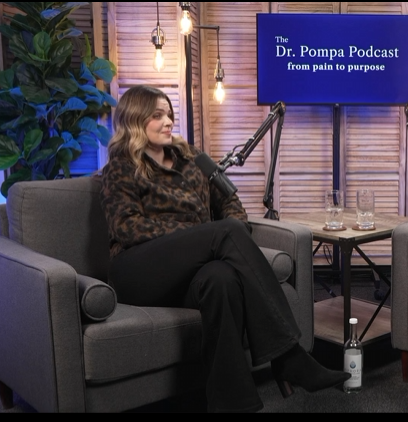
Corley Spell is recognized both as a successful entrepreneur in the food industry and as a public figure with an inspiring personal story of overcoming medical challenges. Her work with Good Ranchers focuses on quality, sustainability, and community, while her media appearances highlight her resilience and faith