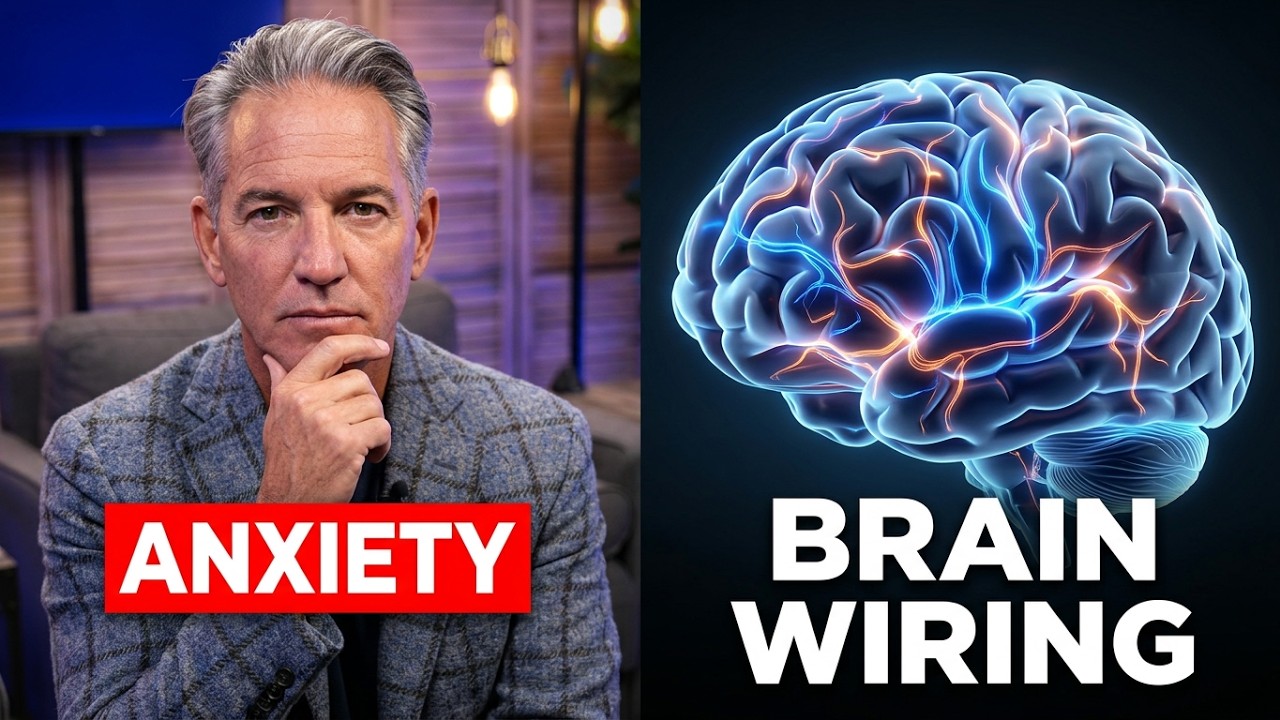
Brain Mapping, Neurofeedback, and Why Your Brain Can Actually Change
What Is a Brain Map and Why Does It Matter?
What does a qEEG brain map actually measure?
Electrical activity and brainwave patterns rather than brain structure. That distinction matters because it reveals functional signals linked to focus, anxiety, depression, insomnia, trauma responses, and performance. Instead of guessing based on a short questionnaire, a brain map looks for specific patterns like excess theta or high beta that correlate with what someone is actually experiencing day to day.
The result is a personalized starting point rather than a generic diagnosis. For anyone searching neurofeedback therapy or qEEG testing, that is the core value: data before decisions.
Why Do Some People Still Feel Neurologically Off After Doing Everything Right?
What leaves imprints in the brain even after the original problem is addressed?
Toxic exposure, inflammation, mold illness, Lyme disease, high stress, and old concussions can all leave functional signatures that show up years later. Many people detox, change their diet, address hormones, and still feel hypersensitive or stuck in fight-or-flight. The body is better but the brain pattern has not caught up.
Neurofeedback does not remove heavy metals or detox mold, but it can help retrain the brain out of a cellular danger response and back toward homeostasis. The baseline matters: if your nervous system is already running at eighty, triggers push you to a hundred instantly. Training the baseline down changes the math without pretending the triggers are harmless.
Is ADHD Always What It Looks Like?
Why does ADHD get misdiagnosed so often?
Because symptoms alone can mislead. A true ADD or ADHD pattern often involves overproduction of theta waves, but many kids show identical behaviors from constant dopamine hits, screens, and an always-on environment. Without a brain map, the distinction is nearly impossible to make from a brief checklist. That leads to stimulant prescriptions in situations where trauma patterns, sleep deprivation, or technology overload may be the bigger driver.
For adults, a busy brain can look like distractibility and unfinished tasks without classic anxiety. The map helps distinguish what the brain is doing well from what actually needs work. The framing throughout is hopeful: there are no bad brains, only patterns that can be tuned.
What Does Neurofeedback Training Actually Involve?
How does the training work?
Operant conditioning and reward-based brain training that supports neuroplasticity. Sessions are short, progress typically takes six to nine months, and many people can train remotely with a shipped headset and home setup. It pairs well with talk therapy and EMDR, and for people who find trauma processing re-traumatizing, neurofeedback can serve as a gentler first step that builds capacity before going deeper.
What About Medications and Side Effects?
Do psychotropic medications interfere with brain mapping?
Brain patterns typically still show clearly on medications. As for side effects during training, fatigue or irritability can happen when working on sensitive areas, but the comparison used here is useful: it is more like muscle soreness than a crisis reaction. Temporary and informative rather than alarming.
What Do Real Outcomes Actually Look Like?
What kinds of changes do people report?
Travel anxiety breakthroughs. Adoption-related attachment challenges improving. Addiction recovery supported by data. Chronic pain loops interrupted. These are not identical stories but they point in the same direction: the brain can change, the change can be measured, and the plan can be built on actual information rather than guesswork.