When "Do This or You Don't Go Home With Your Baby" Stops Being Informed Consent
The Moment Medical Freedom Becomes Personal
What turns an abstract political phrase into something urgent and immediate?
Being handed a form in a hospital room with a newborn in your arms and a clear implication that disagreement has consequences. Attorney Leah Wilson of Stand for Health Freedom and the Health Freedom Institute frames this as the quiet replacement of informed consent with fear and convenience. The practical ability to say yes, no, or not yet to a medical intervention without losing access to school, services, or your child is what parental rights in healthcare actually means when it hits the ground.
Newborn Screening and the Data Question Nobody Asks
What has changed about newborn screening since it began as a limited program?
Many states now screen for 30 to 75 markers, with opt-out rules that vary widely and in some cases carry penalties. The core concern is not whether any individual screening can be useful. It is how results get used. A label like "permanent genetic problem" can trigger protocols without exploring environmental factors, nutrition, absorption, or metabolic context first. The more significant warning in this conversation involves proposals to expand screening into whole genome sequencing and place that data into centralized databases. The privacy implications are lifelong. Language in some proposals about tracking medical compliance raises direct questions about surveillance, coercion, and who controls that data over time.
Why Federal Headlines Do Not Change What Happens in the Exam Room
What is the implementation gap between policy announcements and real-world clinical experience?
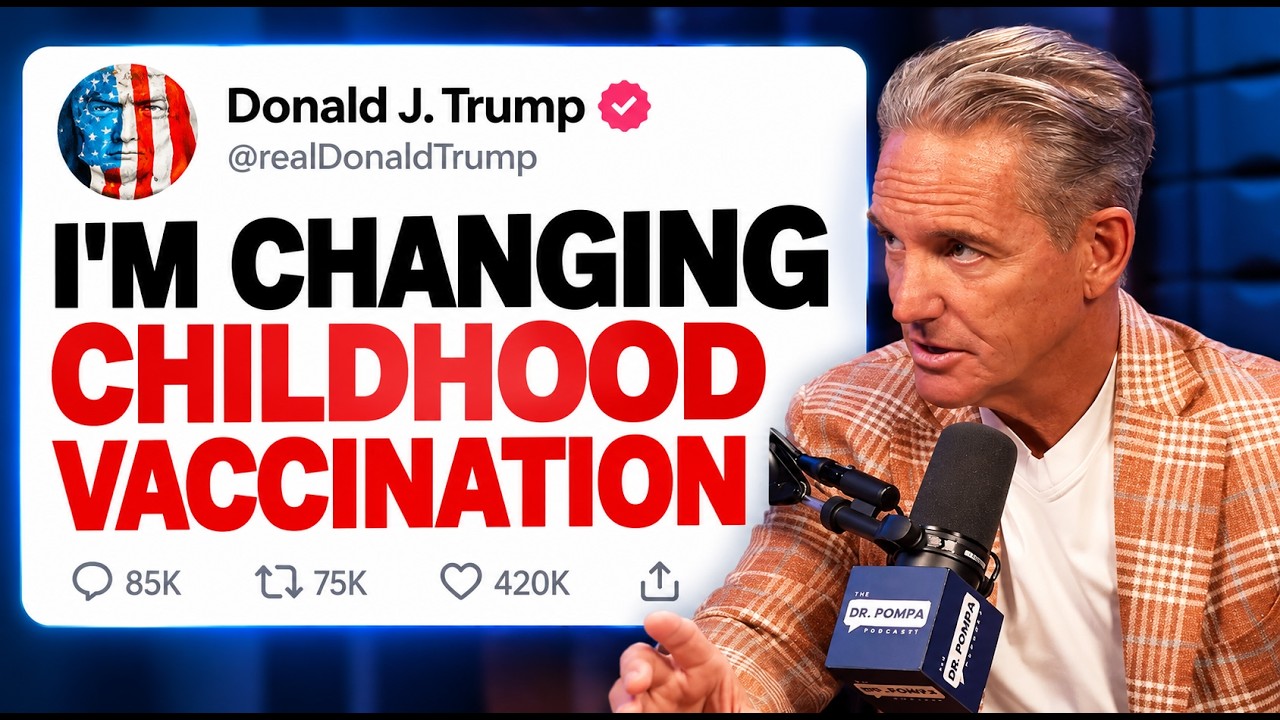
Executive orders and schedule reviews do not automatically change hospital protocols, insurance incentives, or clinic policies. The conversation unpacks the difference between illnesses covered by vaccines and doses actually delivered, and how combination vaccines can reflect compliance goals rather than individualized care. Peer nations with fewer doses and fewer mandates exist as a point of reference. The pressure families feel through school immunization laws operates independently of what federal guidance says at any given moment. True informed consent means a parent can weigh the risks of a disease against the risks of an intervention without being threatened, shamed, or removed from a practice for asking the question.
Where the Power to Push Back Actually Lives
What practical tools exist for families who want to engage this system rather than just opt out of it?
State-by-state legislative strategy is where most of the meaningful change happens, and the Medical Freedom Act model provides a framework for that work. Voter education through Vote for Health Freedom addresses the electoral side. The episode also identifies how public health authority has historically expanded during fear-driven moments, from pandemic-era restrictions to infectious disease narratives used as leverage for broader access to homes and records. The warning about pediatric forced treatment disputes is specific: medical neglect can be misdefined as disagreement with a single mainstream option, which expands the definition in ways that affect families making genuinely considered decisions.
The Four Questions Worth Asking in Any Medical Context
What is the practical through-line across newborn screening, vaccine policy, and pediatric care disputes?
Ask what the test or intervention is actually for. Ask how results will be used and by whom. Ask who controls the data and for how long. Ask whether you retain the right to choose without penalty. Those four questions apply equally whether the conversation is about a blood draw at birth, a school immunization requirement, or a treatment recommendation for a child with a complex diagnosis. The goal is not refusal by default. It is genuine informed consent, which requires that the information, the alternatives, and the right to decide remain in the hands of the patient and the family.