Why Fatigue Is Often a Mineral Problem, Not a Motivation Problem
Where the Energy Crisis Actually Starts
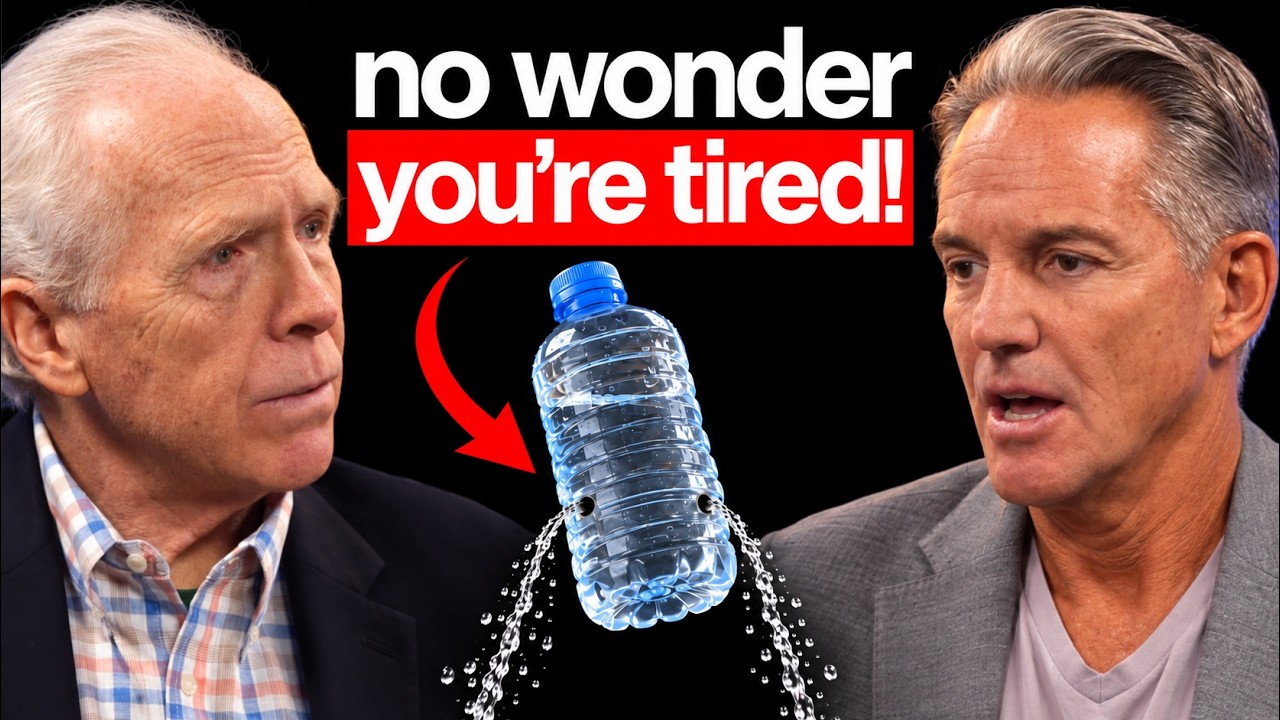
Tiredness gets blamed on poor sleep, stress, and low motivation. The conversation in this episode points somewhere more specific: copper deficiency and its direct role in mitochondrial function. Copper is central to energy production at complex IV of the mitochondrial chain, where it helps convert oxygen into water so ATP can be made efficiently. When copper is low, that process breaks down, oxidative stress rises, and what feels like burnout or a sluggish thyroid becomes a cellular energy deficiency with a measurable upstream cause. The reframe matters because it shifts the question from "why am I unmotivated" to "what is my body actually missing."
How Agriculture Changed the Mineral Equation
Average copper intake used to be significantly higher. Two things changed that: widespread NPK fertilizer use, which does not replenish trace minerals in soil, and glyphosate, which is a potent mineral chelator that binds copper strongly. When plants cannot take up copper from depleted soil, animals and humans lose a key dietary source. The downstream effects show up in antioxidant defense, immune response, and hormone signaling, all of which depend on copper-containing enzymes. The practical implication is not simply to take a copper supplement but to recognize that the food environment has quietly shifted mineral availability across entire populations.
The Iron Confusion That Leads People in Circles
Why do so many people get told they are iron deficient when the actual problem is more complicated?
Blood work showing low iron does not always mean the body lacks iron. Stress, inflammation, and infection can raise hepcidin, which shuts down iron recycling and pushes iron into storage and reactive pools that disrupt mitochondria rather than fuel them. Copper, through ceruloplasmin and related enzyme activity, plays a key regulatory role in helping iron move and be used correctly rather than accumulate in tissue. Ferritin adds another layer of complexity: it can function more as a marker of immune activity and tissue stress than a straightforward measurement of iron storage, which means the surrounding context of inflammation, liver function, and overall mineral balance changes how to read it.
Supplement Habits That May Be Making Things Worse
High-dose zinc supplementation can block copper absorption and interfere with energy pathways. Isolated ascorbic acid sold as vitamin C may disrupt ceruloplasmin integrity. These are common supplements taken with good intentions that can compound a copper problem when used without attention to mineral interactions. Magnesium deficiency is framed here as often downstream of oxidative stress and iron dysregulation, with dosing guided by body weight and individual tolerance. Vitamin D is treated as a hormone with active and storage forms that requires consideration of vitamin A balance, magnesium status, and actual sunlight exposure rather than supplementation alone.
The Practical Starting Point
For anyone researching chronic fatigue, unexplained anemia, ferritin levels that do not match symptoms, or mineral imbalance, the framework this episode offers is worth sitting with: copper sits near the top of the mineral hierarchy, and when copper status is addressed thoughtfully through food, testing, and targeted support, iron handling, energy production, immune function, and hormone resilience often start making more sense together.