Why Most Detox Programs Miss the Point and What Actually Works
The Real Goal of Detox
What does "detox the cell to get well" actually mean?
Your body moves toxins out every day by design. The problem starts when inflammation, nutrient depletion, and sluggish detox pathways slow that process down. Toxins accumulate at the cellular level, and symptoms begin to stack: fatigue, hormone resistance, and stubborn health problems that persist even when your diet looks clean. Fixing the downstream symptoms without restoring cellular detox function is why most cleanses produce temporary results at best.
Why do standard detox cleanses fail?
They address symptoms and surface-level inputs without touching the actual mechanics of how your cells process and eliminate toxins. A juice cleanse does not restore a sluggish detox pathway. A short cleanse does not move heavy metals that have been accumulating for decades. The biology requires a different approach entirely.
Heavy Metals vs. Everyday Toxins
Are all toxins handled the same way?
No. Heavy metals like mercury, lead, and aluminum behave differently from everyday chemical irritants. Pulling them out safely depends on strategy, dose timing, and active support for the liver, kidneys, gut, and drainage systems. Move them too fast without that support and they redistribute into more sensitive tissues, including the brain, making the situation worse rather than better.
What does a properly cycled detox protocol look like?
Three days on and four days off, or seven on and seven off, adjusted based on how your body responds. The goal is not speed. It is a repeatable process that gradually lowers total toxic load while keeping the body stable enough to function. That same cycling approach applies to modern exposures like microplastics, pesticides, and environmental chemicals that keep refilling the problem over time.
The Bucket Theory
What is the bucket theory and why does it matter?
From birth to death, you accumulate toxins. Some people are genetically built with larger buckets, meaning they tolerate more accumulation before symptoms appear. Others have smaller buckets and hit their limit earlier. The day symptoms start is the day the bucket overflowed, not the day the problem began.
When does toxic accumulation actually start?
Before birth. Mercury burden correlates with maternal dental fillings. Lead stored in a mother's bones releases during pregnancy and passes to the baby. By the time a child is born, the bucket may already have something in it. Add mold exposure, food chemicals, pesticides, and everyday stressors across childhood and the accumulation builds steadily.
What is the most common mistake people make when the bucket overflows?
Adding more inputs. Medications, supplements, and interventions layered on top of an already overloaded system without addressing the overflow itself. The bucket does not empty with one sauna session or a weekend cleanse. It empties through a sustained, strategic process measured in months, not days.
Glyphosate, Children, and Environmental Exposure
What makes glyphosate a particular concern?
It is not just common in food and water. Glyphosate may weaken protective barriers including the gut lining and the blood-brain barrier, potentially allowing toxins already stored in the body to move into more vulnerable tissue. The exposure pathways are often invisible: sprayed sports fields, neighborhood pesticide use, conventionally grown grains consumed daily.
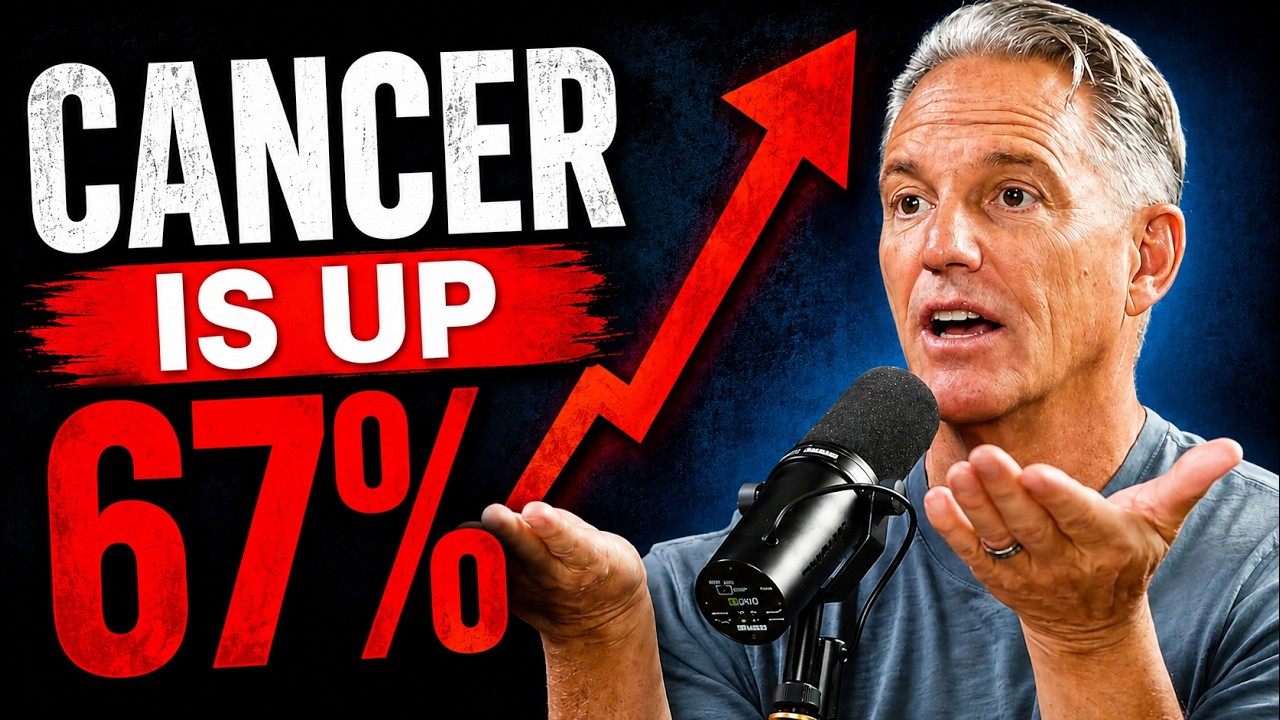
Why have childhood cancer rates risen so sharply since 1970?
That is the question Dr. Pompa raises directly. A purely genetic explanation does not account for a trend that accelerated over decades alongside rising chemical exposures. The more useful framework is that genes load the gun and environmental triggers pull it. Changing the environmental inputs changes what those genes express.
Can children detox safely?
Yes. And in today's environment, ongoing prevention focused on reducing total toxic load and supporting cellular resilience is not optional for kids. It is necessary. The exposures are not going away, which means the strategy has to be continuous rather than episodic.