Why Your Mouth Is the Most Overlooked Signal in Your Whole Body
The Connection Most Doctors Never Make
Why do conditions like heart disease, diabetes, Alzheimer's, arthritis, and persistent fatigue after illness connect back to the mouth?
Because the mouth is a frontline signal for whole-body health, not a separate system. Dr. Nami Patel and Dr. Pompa frame oral symptoms as early warning indicators that the body is overloaded, inflamed, or carrying an unseen toxic burden. Bleeding gums in particular get reframed from a minor hygiene issue into an alarm bell that something deeper needs investigation.
What Bleeding Gums Are Actually Telling You
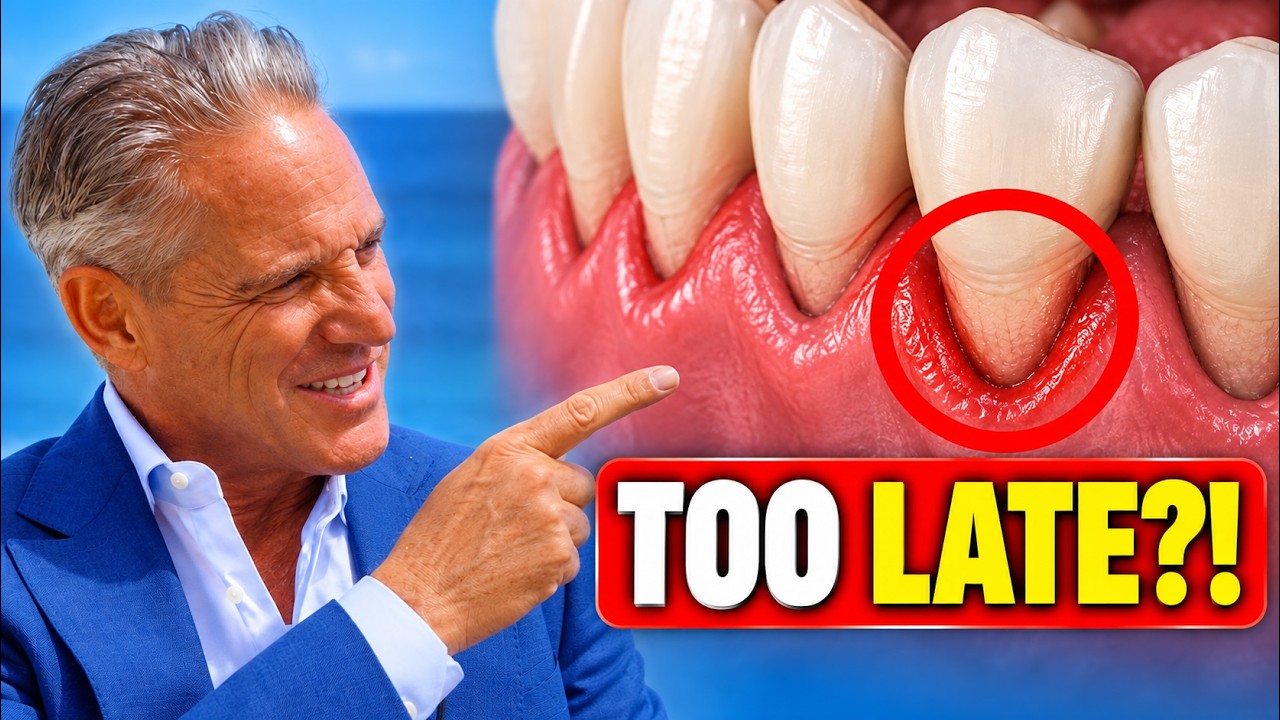
What is happening beneath the surface when gums bleed regularly?
Periodontal pockets become hiding places where harmful bacteria can enter circulation and affect the gut and brain. Dry mouth from poor airway function reduces saliva, which normally keeps bacterial populations in check. The hosts emphasize measurement over guessing: probing depths should aim for 0 to 3 millimeters, bleeding indicates active infection, and saliva and oral microbiome testing can identify specific pathogens associated with systemic disease. Oral DNA testing also examines genetic inflammation risk, helping personalize cleaning frequency and targeted strategies to lower bacterial load.
Why Home Care Alone Cannot Fix a Structural Problem
What does a solid daily oral care routine actually include?
An electric toothbrush, water flosser, and adding a small amount of peroxide or ozone for extra oxygenation that makes the environment less hospitable to harmful bacteria. The honest caveat is that home care cannot address structural traps where microbes harbor: failing root canals, cavitations, old crowns with microscopic cement gaps, and incompatible dental materials. This explains why people can invest heavily in supplements, peptides, and wellness protocols and still feel stuck. If the mouth keeps re-seeding inflammation, the body stays in a chronic stress response regardless of what else is added.
Airway Dentistry and the Nervous System Connection
How does tongue position connect to vagus nerve tone and sleep quality?
Proper tongue posture at the palate is linked to vagus nerve tone, shifting the nervous system from fight-or-flight toward rest-and-digest. Assessment includes posture evaluation, CBCT imaging, tongue position, windpipe size, and sinus health. Past orthodontics and childhood braces may have contributed to smaller nasal volume and chronic mouth breathing in some patients. Solutions range from appliances that create tongue space to tongue tie release supported by myofunctional therapy. Mouth taping can serve as a simple training tool when no major obstruction is present, but repeated tape failure signals the need for evaluation by a functional or biological dentist.
Cavitations and the Bone Healing Gap Nobody Addresses
What are cavitations and why do they matter for immune function?
Cavitations are areas of unhealed dead bone after wisdom tooth extraction or other procedures that can decay over time, harbor bacteria, and place ongoing burden on the immune system. Treatment may include imaging, surgical debridement, ozone, and PRP to support regeneration. Nutrient status matters significantly here, particularly vitamin D3 and K2, which support the bone healing that should have occurred after extraction but did not.
Toxic Materials and the Electrical Problem in the Mouth
Why do mixed metals in the mouth create neurological stress?
Galvanism from mixed metals generates small electrical currents in a saline environment, which can contribute to anxiety and neurological symptoms. Mercury amalgam concerns compound this through vapor release and systemic distribution. Removing incompatible materials, restoring proper breathing mechanics, clearing infections, and supporting detox pathways allows the body to return to what it is designed to do: regulate, repair, and maintain health without fighting a constant upstream battle from the mouth.