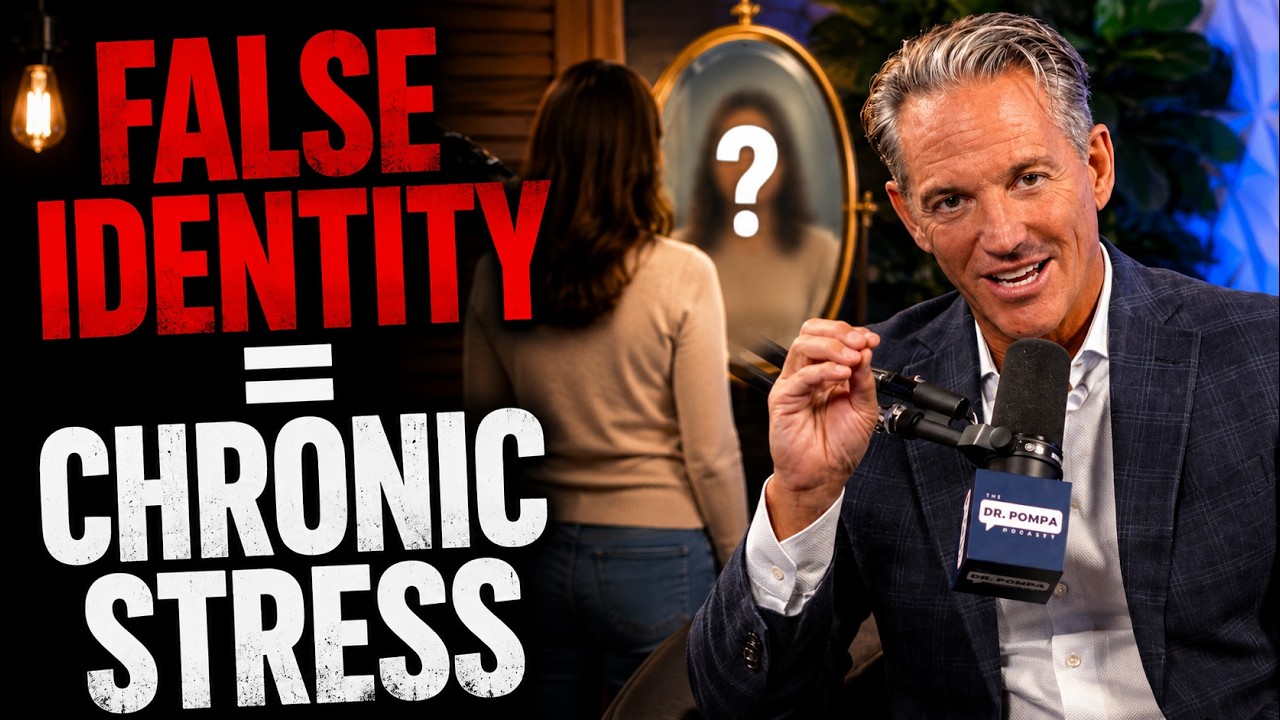
You Are Not the Label: A Practical Guide to Rebuilding True Identity
When the False Identity Comes From Inside
Where do false identities actually start?
Not always from someone else's cruelty. Sometimes the label is self-assigned. Struggling to read and spell as a kid with dyslexia, feeling the embarrassment of falling behind, and quietly concluding "I'm dumb" is a private verdict that nobody handed over. That belief then shapes years of insecurity and the behaviors that flow from it, not because it was true but because it was believed.
The surprising twist: the same struggle that produced the false label also revealed a genuine gift. Pattern recognition, long-term recall, and the ability to connect old ideas with new ones to build solutions. The weakness and the strength were the same thing wearing different labels at different ages.
Tattoos, Identity, and What Biology Keeps Track Of
What does a recent study on tattoo ink actually show?
Immune activity can move ink pigment and toxins into lymph nodes over time, and that process may be associated with lymphoma and other immune-related issues later in life. Even small tattoos carry this risk because the immune system keeps working on the particles indefinitely rather than treating them as resolved.
Why does this connect to an identity conversation?
Because culture often frames identity as something you can purchase, wear, or mark onto yourself. Biology reminds us that choices have downstream effects in inflammation, lymphatic burden, and long-term health that the original decision did not account for.
Many people look back on a tattoo and recognize it meant more at the time than it does now. That is not condemnation. It is evidence that identity shifts as we grow, which is actually the good news.
Where False Identity Gets Installed
When does the damage typically happen?
Early. Many people enter adolescence already carrying false identities handed to them by parents, teachers, coaches, or friends. When adults struggle with addiction, depression, insecurity, or chronic self-sabotage decades later, it often traces back to an old belief that was never challenged and never replaced.
What does Christian identity language offer here?
A clear frame: true identity is who God created you to be. Contentment and authenticity rise as you move closer to that. The distance between the false label and the true one is where most of the inner work happens.
The Two-Timeline Exercise
What is the practical tool for doing this work?
Two lists. First, write down the hardest moments of your life from childhood to now. Second, write down the victories, breakthroughs, and moments that made you feel most fully alive. Pray over both lists and ask God to reveal patterns. Pain to purpose is real: struggle can uncover courage, compassion, leadership, and resilience that comfort never would have produced.
The David story in scripture is the identity arc made visible: from rejection and false labels handed by others to the turning point where David perceived he was king. The external circumstances had not changed. The internal recognition had.
Inviting Outside Perspective
Why does asking others matter alongside the inner work?
Because you overlook your own strengths. The outside view often exposes what you cannot see from inside the story you have been living. Ask trusted people two questions: how do you see me, and how do you think God sees me. Their answers will not always match your self-assessment, and that gap is usually where the most important clarity lives.
The Closing Challenge
What is the practical step at the end of all of this?
Be strong and courageous. Not in self-powered confidence that depends on circumstances staying favorable. In spiritual boldness that steps into the promises and the identity that match who you were actually made to be. The label you have been living under is not the final word. It never was.