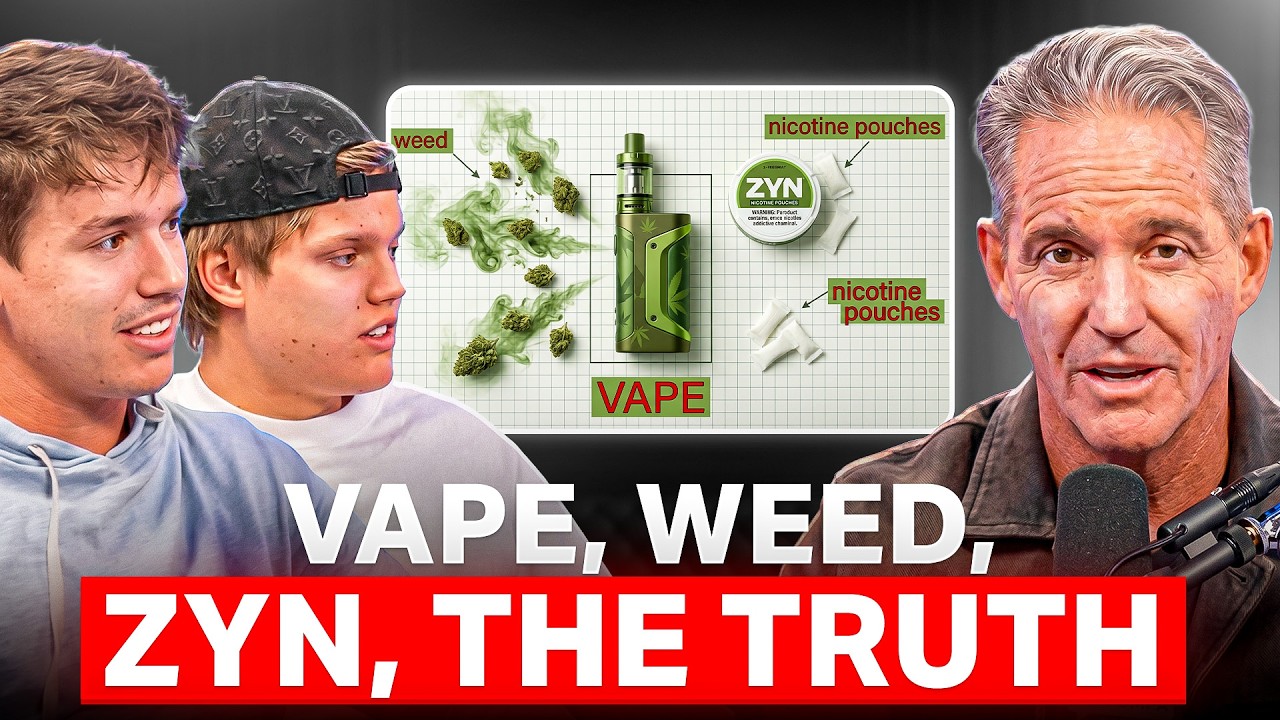
Nicotine, Vaping, Kratom, and the Truth About Modern Addiction
Nicotine, Vaping, Kratom, and the Truth About Modern Addiction
Nicotine and Spike Protein: What the Research Actually Says
Can nicotine help with COVID spike protein detox?
Some clinicians believe nicotine displaces spike proteins from nicotine receptors, which are distributed throughout the body. The protocol is specific: low dose nicotine, typically 2 to 3 mg via a transdermal patch, for no more than 14 days. This is a clinical hypothesis, not a general wellness recommendation.
Why is the 14-day limit important?
Nicotine is one of the most addictive substances known. Even short exposure can reignite dependency in people who have previously used nicotine. The potential benefit of any spike protein protocol does not outweigh the addiction risk if you exceed the dose or duration.
How Nicotine Addiction Starts Without Warning
Can you become addicted to nicotine without realizing it?
Yes. One documented pattern involves products that contain nicotine without clear labeling. People report feeling instantly re-addicted after a single use and struggling to quit for years afterward. The substance does not need to be a cigarette to trigger dependency.
What makes vaping and nicotine pouches more dangerous than cigarettes for addiction?
Accessibility drives the risk. Vaping works indoors, has no odor, tastes appealing, and fits into continuous micro-doses throughout the day. This trains your brain's reward system to expect nicotine before difficult tasks, after meals, during stress, and at night. The frequency of the signal matters as much as the dose.
The Trap Mechanism: Focus Aid to Anxiety Driver
How does nicotine flip from a focus tool to a problem?
Nicotine starts by appearing to improve focus and calm anxiety. Over time, your nervous system adjusts to the presence of nicotine. Without it, you experience anxiety, brain fog, and adrenal fatigue. You then use nicotine again to fix what nicotine caused. The substance becomes both the problem and the perceived solution.
What happens when you stop using nicotine?
Mental clarity often improves significantly after stopping. The risk is relapse: a single "just once" use can reignite cravings immediately. This is why relapse prevention, not just initial quitting, is the core challenge.
Youth Culture and High-Concentration Products
How is nicotine use different for younger generations?
Vaping culture normalizes constant use. Products are available in high concentrations that escalate dependency quickly. Nicotine pouches appear controlled but follow the same escalation pattern. The health effects described by young users include persistent anxiety, nervous system overstimulation, and cognitive fog that clears only after extended abstinence.
How do you know if you are dependent on nicotine?
Stop for a defined period, away from your usual triggers. Observe what your mind and body do. If stopping produces anxiety, irritability, difficulty concentrating, or strong urges, dependency is already present.
Kratom: The Legal Substance Most Parents Miss
What is kratom and why is it a concern?
Kratom appears as powders or small bottled shots in convenience stores and online. Newer "7-hydroxy" tablet forms function as synthetic opioid-style products. Many parents do not recognize the packaging or the name.
What does kratom withdrawal look like?
Kratom withdrawal mirrors classic opioid withdrawal: night sweats, insomnia, persistent anxiety, and a constant physical sense of needing the substance. These symptoms are not mild and are not short-lived.
The Broader Pattern of Modern Addiction
What do nicotine, kratom, and marijuana have in common?
Each substance hijacks your brain's reward circuitry. After regular use, ordinary effort feels unrewarding or impossible without a chemical prompt. The brain stops generating motivation independently and starts waiting for the substance to initiate it.
Is social media part of the same pattern?
Yes. Social media activates the same reward pathways. The mechanism differs but the outcome is similar: your baseline motivation and attention capacity weaken over time without the stimulus. The practical test is the same; remove the input and measure what happens to your focus, mood, and drive.