The Truth About Seed Oils
Modern Food and Cellular Function
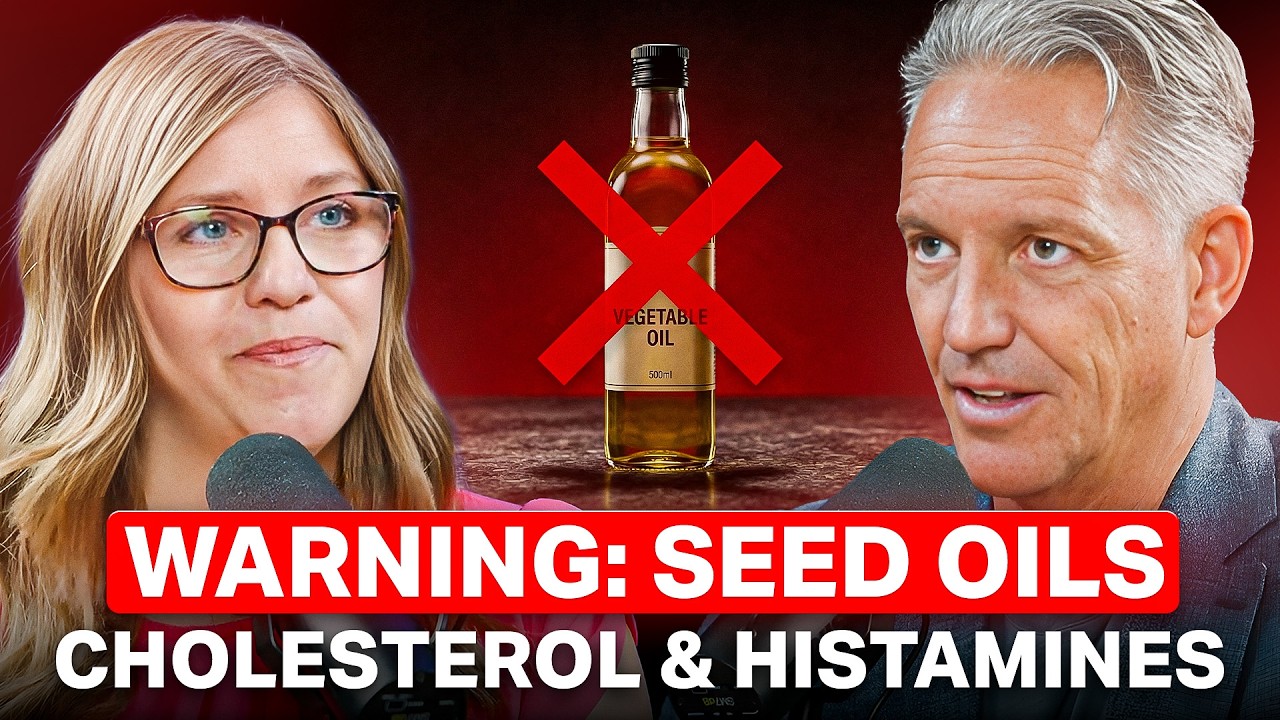
The most common questions all circle back to one idea. Modern food changes how the body works at a cellular level. Seed oils are a key example. Industrial oils like canola, corn, soybean, and refined sunflower oils are often heated and processed, which causes oxidation. When these damaged fats become part of the cell membrane, they can disrupt the lipid bilayer that controls nutrient entry and hormone signaling. This can show up as inflammation, fatigue, brain fog, weight loss resistance, and symptoms that do not match basic lab results.
Not All Seed Oils Are the Same
Not every seed oil is harmful in the same way. Cold-pressed oils that are protected from heat, light, and oxygen can behave differently from ultra-processed oils. Quality matters. A simple test is smell and sourcing. Real oils smell like the food they come from and come with clear processing and storage standards. Heat stability also matters. Saturated fats handle high heat better than polyunsaturated fats, which oxidize more easily. Even restaurant cooking can be misleading. Fries finished in tallow may still be fried initially in industrial seed oils.
Cholesterol and Particle Risk
The conversation shifts from total cholesterol to lipoprotein particle health. Total LDL numbers can be misleading because cholesterol travels inside particles. What can matter more is particle number and size. Higher particle counts increase traffic in the bloodstream, while smaller particles may more easily enter arterial walls and contribute to inflammation linked to heart disease. An NMR lipoprotein test can offer deeper insight than standard cholesterol panels. When particle risk is high, the focus becomes lifestyle changes supported by targeted nutrients that may improve metabolic patterns.
ADHD, Diet, and Environmental Triggers
Self-regulating ADHD symptoms without medication often starts with removing modern food triggers. Ultra-processed ingredients like artificial dyes, sweeteners, and excess sugar can act as neurological stressors. Some reactions that look like food sensitivities may be connected to gut imbalance rather than true intolerance. Glyphosate exposure is also discussed for its possible role in gut permeability. A practical approach is temporary elimination of trigger foods to calm symptoms, followed by gut repair and cleaner sourcing, including organic options when possible.
Parasites, Detox, and Lymphatic Health
Parasite cleansing and lymphatic support are framed as part of a broader terrain approach. A cleanse may be useful in some cases, especially with travel exposure, but product quality matters because some supplements can contain heavy metals like lead, mercury, or arsenic. Lymphatic health can be supported through both supplements and physical methods. Manual techniques like lymph brushing or massage are often especially helpful in cases of stagnation or chronic illness.
Core Takeaway
Across all topics, the message stays consistent. Reduce inflammatory inputs. Support gut and cell membrane health. Use testing and tools that reflect real physiology instead of chasing single lab numbers. Long term health comes from lowering toxic load, improving cellular integrity, and aligning interventions with how the body actually functions.