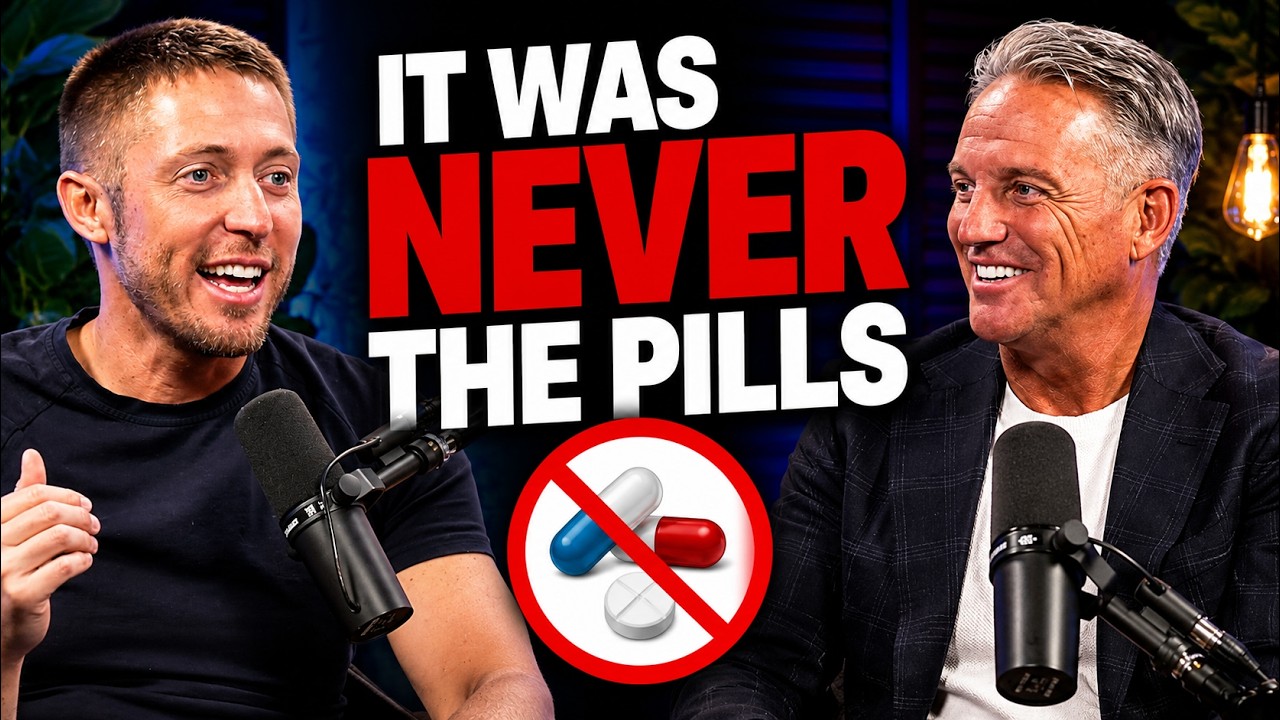
Why You Are Not Getting Better and What Chronic Illness Actually Requires
Why You Are Not Getting Better and What Chronic Illness Actually Requires
The Perfect Storm Framework
Why do some people develop chronic illness even when no single cause seems severe enough?
Because illness rarely comes from one thing. It comes from stressors that stack over years and then collide. Physical load, chemical exposure, emotional trauma, and poor sleep compound on top of each other until the body loses its ability to recover between hits. That tipping point is the perfect storm, and understanding it shifts the goal from managing symptoms to restoring the capacity that was lost.
What is bioaccumulation and why does it matter for recovery?
Toxins and inflammation are not only about what you were exposed to today. They reflect what has built up in tissue, brain, and hormones over months and years. That is why the standard approach of treating one symptom at a time often fails. The bucket is full. Adding more interventions without emptying the bucket first rarely produces lasting results.
Stimulant Medication as a Chemical Credit Card
How does Adderall create problems over time even when it initially works?
It pushes dopamine signaling to produce focus and drive, but it does not create new reserves. It borrows against what is already there. Over time the bill comes due as depletion, insomnia, emotional blunting, and worsening decision-making. What starts as a productivity tool can slide into dependency and distorted perception, particularly in someone with pre-existing metabolic fragility.
Why does modern performance culture make this harder to recognize?
Because output is prized and "working hard" can mask breakdown for a long time. The person appears functional, even high-achieving, while the underlying system deteriorates. By the time the collapse is visible, the debt has been accumulating for years.
Environmental Illness and the Cell Danger Response
What happens to the body after prolonged exposure to mold, biotoxins, and industrial chemicals simultaneously?
The immune system loses discernment. Mast cell activation, neuroinflammation, and a cell danger response combine to create a state where the body reacts to more and more inputs over time. Food lists shrink. Reactions to perfumes and chemicals become debilitating. The world starts to feel genuinely dangerous.
Why does pure avoidance often make chemical sensitivity worse?
Because the nervous system needs graduated exposure to recalibrate. Removing all triggers removes all training signals. The window of tolerance shrinks further rather than expanding. Avoidance feels protective in the short term and becomes its own trap over time.
Hormesis and Rebuilding Adaptation
What does recovery from extreme chemical sensitivity actually require?
A systems-based approach that works in sequence. Remove ongoing exposures first. Support minerals and mitochondrial function. Stabilize the nervous system. Then introduce microdoses of stress gradually to rebuild the window of tolerance. The goal is not permanent quarantine from the world. It is expanding what the body can handle again through deliberate, tolerable challenge.
What does the 12-day episode in this story demonstrate about the body's reset capacity?
When Cam could not tolerate food or water, a forced fast became an unintended turning point. The body, given enough time without inputs it was reacting to, reset enough to accept inputs again. It is an extreme example of a principle that applies more broadly: sometimes the system needs a pause before it can rebuild.
Benzodiazepines, GABA, and the Kava Bridge
What makes benzodiazepines both useful and dangerous in reactive illness?
They amplify GABA signaling effectively enough to prevent seizures and extreme reactivity in a crisis. The problem is tolerance and withdrawal. The same mechanism that helps creates dependency, and withdrawal from benzodiazepines is genuinely dangerous. A new trap replaces the original one.
How does traditionally prepared kava work differently from isolated extracts?
Traditionally prepared kava contains the full range of kavalactones working together rather than a single isolated compound. The entourage effect matters here the same way it does with other plant-based compounds. Regular use of the whole preparation appears to increase GABA receptor density over time, producing what is called reverse tolerance, where the calming effect builds rather than diminishes. That makes it a meaningful bridge for people tapering from pharmaceutical GABA support and a genuine option for the sober curious movement looking for social relaxation without alcohol.
The Practical Framework for Anyone Asking "Why Am I Not Getting Better?"
What is the first question worth asking when standard approaches keep failing?
What is still in the bucket? Ongoing exposures, whether mold, heavy metals, chemical load, or emotional stress, prevent recovery regardless of what interventions are added on top. The body cannot heal while the damage is still accumulating. Identifying and removing the active sources is the non-negotiable first step before anything else has a real chance to work.