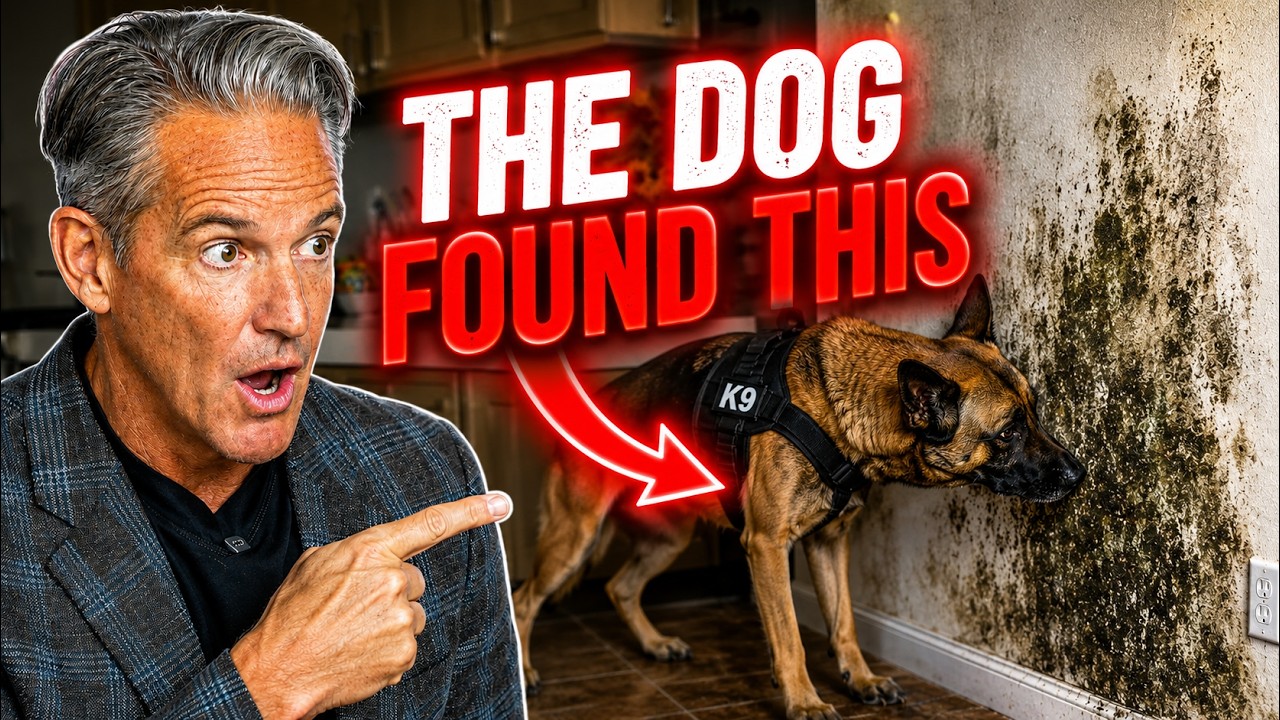
Why Your Home Might Be Making You Sick When Every Test Says You Are Fine
The Frustrating Gap Between Test Results and How You Feel
Why do sophisticated mold tests keep coming back clean while the body keeps signaling otherwise?
Because most standard assessments capture a narrow snapshot of conditions at one specific moment. Air sampling, ERMI dust testing, and similar methods are all influenced by HVAC cycling, open windows, weather swings, and exactly where the sampler sits during collection. A result that says normal today may have looked very different yesterday or will look different tomorrow. For the homeowner who hears "you're fine" while their body says otherwise, that gap between the report and the lived experience is both isolating and genuinely difficult to resolve through conventional testing alone.
What a Certified Mold Detection Dog Actually Does
How does a mold dog find what lab reports miss?
Gus, trained and deployed by Stacy at Moldpups, is not reading a lab report. He is tracking odor patterns throughout the building in real time. Specifically he alerts on MVOCs, microbial volatile organic compounds, which can be present even when mold is completely concealed behind walls, floors, or finishes. He is not alerting on visible growth or directly on mycotoxins, which is an important distinction for understanding what the alert actually means.
The practical value is precision. Instead of knowing that mold exists somewhere in a house, a dog alert narrows the target to a specific area, which prevents unnecessary demolition and points the next phase of investigation in the right direction.
What Happens in Real Houses That Should Not Have Problems
What does a newer home with clean test results still have to worry about?
More than most people assume. Window condensation, minor construction gaps, and unsealed penetrations are all risk points regardless of how recently a home was built. In the episode Gus flags areas around windows where intermittent moisture has left dust and dampness, then strongly marks a steam shower where a seal has failed near the steam outlet. A quick visual look is not enough to confirm what the dog found, so the team uses a borescope camera to inspect the hidden cavity and confirms black mold behind the wall.
That sequence is the useful model: treat the dog as a locator, then use moisture meters, thermal imaging, and targeted visual inspection to verify before planning remediation.
Why Mold Sensitivity Changes the Whole Equation
Is any amount of mold a problem?
It depends entirely on the person in the building. One person may tolerate a small mold source without noticeable symptoms while another is significantly affected by a low-level exposure in the same space. That is why the question shifts from "is there any mold here" to "is this level a problem for this specific person in this specific building." Pairing a mold dog with an IEP or building biologist helps translate a dog alert into a concrete action plan, whether that means monitoring for warping and discoloration or opening a specific area for targeted repair.
When to Consider This Approach
What makes the layered mold investigation method worth pursuing?
Unexplained symptoms that do not resolve, recurring musty odors that come and go, or constant condensation in specific areas of the home are all reasonable triggers for this kind of investigation. The combination of a certified detection dog for location and confirmation tools like borescopes and moisture meters for verification makes the process faster, less disruptive, and significantly more accurate than air sampling alone.