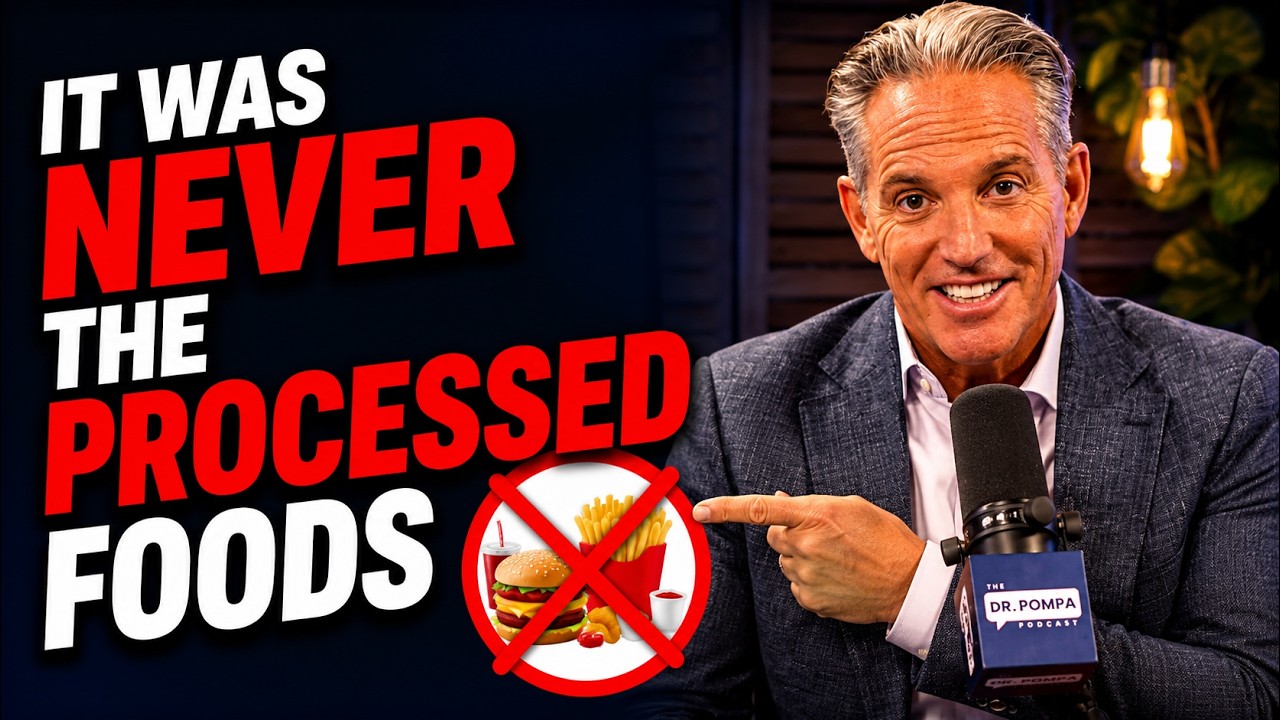
Why Weight Loss Resistance Is a Biology Problem, Not a Willpower Problem
Why Weight Loss Resistance Is a Biology Problem, Not a Willpower Problem
The Real Reason the Usual Advice Stops Working
Why do some people do everything right and still cannot lose weight?
One in five children is obese and many adults report following strict diets and exercising regularly without results. That pattern has a name: weight loss resistance. It reframes the problem as biology first rather than effort or discipline. When fat loss stalls despite doing the right things, something is interrupting appetite control, energy use, and metabolism at a deeper level than calories and macros can address.
Leptin Resistance and the Signal That Never Lands
What is leptin resistance and why does it matter?
As fat cells increase, they produce leptin, a hormone designed to tell the brain to eat less and burn stored fat. When that signal reaches functioning receptors, hunger drops and fat burning increases, including overnight and between meals. When receptors are blocked or damaged, the message never arrives at the cell. Hunger stays high, cravings increase, and fat burning stays suppressed regardless of what blood levels show.
Does this same receptor problem affect other hormones?
Yes. The same blocking mechanism applies to insulin receptors, estrogen receptors, and testosterone receptors. This explains why fatigue, cravings, low testosterone, and weight gain often appear together. Normal blood levels of a hormone do not guarantee the hormone is being heard at the cell level.
What Actually Blocks the Signal
What environmental factors disrupt hormone receptor function?
Microplastics, forever chemicals, heavy metals, and biotoxins are named as major drivers. Mold exposure is a particularly surprising one. Certain mold biotoxins blunt leptin receptors in the brain and interfere with insulin sensitivity, creating a predictable loop: appetite stays elevated, carbohydrate and sugar cravings increase, and fat burning stays suppressed. People gain weight rapidly after mold exposure without changing anything about their diet or activity.
Why does this reframe the obesity conversation?
Because it positions metabolic dysfunction as a toxin and hormone receptor problem rather than purely a calories problem. Chronic disease rates and metabolic issues keep rising even as people make what they believe are healthier choices. The inputs driving receptor disruption are largely invisible, which is why the standard advice keeps failing people who are genuinely following it.
Ultra-Processed Foods: The Ingredient Problem
What makes modern ultra-processed food different from traditional staples?
Bread, pasta, and rice have existed for a long time. The modern ultra-processed versions loaded with added chemicals, stabilizers, flavors, and agricultural residues are not the same food. The practical guidance is simple: read the ingredient list. Short lists with recognizable ingredients are a reliable filter. Long lists with unpronounceable additives are a reliable red flag, including products sold in health stores.
Where does glyphosate fit into this?
Glyphosate residue in conventionally grown food adds to the overall chemical load that disrupts gut integrity and hormone signaling. Choosing organic where possible is a strategic reduction in that exposure. The Clean 15 and Dirty Dozen lists are a practical starting filter when budget is a constraint.
GLP-1 Medications: What the Rush Misses
What are the concerns about GLP-1 weight loss drugs as a first solution?
Side effects, muscle mass loss that lowers baseline metabolism, and rebound weight gain after stopping are the primary concerns raised here. Losing muscle while losing weight creates a lower metabolic rate that makes maintaining the loss harder than before. These tools have legitimate clinical applications but treating them as a first-line solution without addressing the underlying receptor and toxin problem leaves the root cause intact.
A Practical Starting Plan
What are the first steps for someone dealing with weight loss resistance?
Prioritize organic food where possible and use the Clean 15 and Dirty Dozen as a budget-conscious filter. Cut ultra-processed foods with long ingredient lists. Add resistance training to protect and build muscle while improving metabolic rate. Include short burst training to support fat burning without the cortisol load of long steady-state cardio. These steps lower chemical exposure, support hormone receptor function, and protect the muscle mass that metabolism depends on.
What is the core shift in thinking this episode asks for?
Stop asking "why am I not trying hard enough?" and start asking "what is blocking my biology from responding?" The answer is rarely effort. It is almost always environment, exposure, and the cumulative load those inputs place on the systems that regulate appetite, metabolism, and hormone signaling