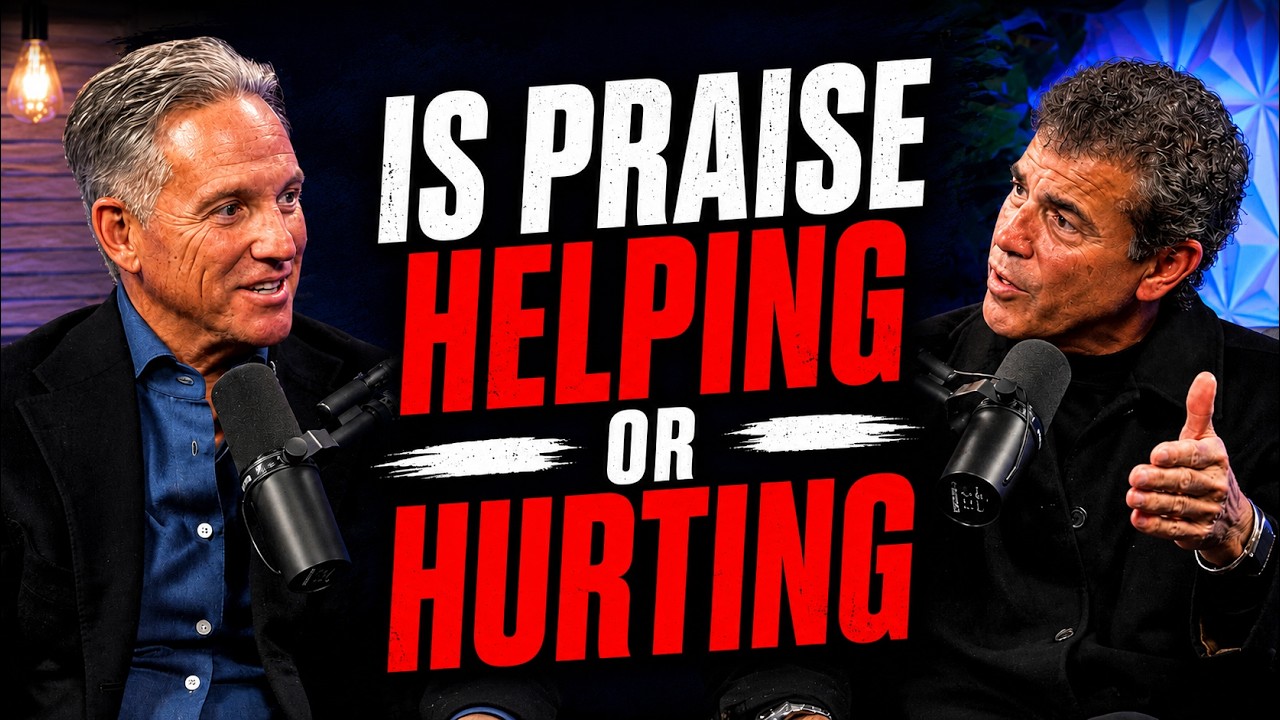
True Identity, Real Discipline, and Why Your Biggest Insecurity Might Be Your Superpower
The Gap Between Where You Are and How You Got There
Why do people misjudge you based on where you are right now?
Because they see the current version without the evolution. Fab Mancini's story of moving from Colombia to Miami as a teenager, losing his friend group overnight, watching his grades drop, and learning English without any real support is not a footnote to his success. It is the foundation of it. The hard seasons are the training ground, not the detour.
The practical takeaway is not inspirational fluff. It is a genuine reframe: your circumstances can be traumatic and still become the raw material for purpose, self-worth, and leadership if you choose to learn from them instead of collapse under them.
Why Discipline Beats Talent Every Time
What actually separates people who break through from people who stay stuck?
Not talent. Not being naturally smart. The habit of staying after class, studying longer than anyone asked, and refusing to quit when quitting would have been completely understandable. That kind of discipline builds a confidence you can carry into every area of life because you earned it through action rather than being told you were special.
Dr. Pompa connects this to dyslexia and academic struggle. The same difficulty that gets a kid labeled "not good enough" can create a discipline and work ethic that eventually laps everyone who found school easy. For parents and teenagers, that reframe matters more than almost anything else: disciplined people routinely outpace gifted people over any meaningful time horizon.
How False Identity Gets Built Without You Noticing
What creates a false identity?
Reputation attacks, people-pleasing, and criticism from people close to you that you start to believe over time. If your self-worth depends on other people's opinions, you will reshape yourself to manage those opinions and eventually lose track of who you actually are underneath the performance.
Fab shares a dark moment in his 30s when someone actively tried to destroy his reputation. The lesson that followed: genuinely successful people rarely tear other successful people down. Insecurity does that. Understanding the source of the attack changes how much power you give it.
Parenting That Builds Internal Confidence
What are the parenting habits that increase anxiety rather than reduce it?
Comparing siblings. Answering your child's questions with your own limitations. Projecting your fears onto their possibilities. These habits teach kids to seek external permission before they trust their own thinking.
What works instead?
Asking better questions. "What do you think is possible?" instead of "here is why that is hard." When kids learn to reason toward their own solutions, they build internal confidence that does not collapse the moment someone disagrees with them.
And pick up the phone when they call. That single habit teaches them they matter more than whatever else is happening.
Social Media, Cosmetic Surgery, and the Comparison Trap
What is the single biggest hit to self-esteem for teenagers and young adults right now?
Comparison. Measuring your actual life against someone else's curated highlight reel is a guaranteed way to feel inadequate. Famous people do not set the standard for everyone else. They set the standard for a tiny, specific, heavily filtered version of public life that has almost nothing to do with real daily existence.
What did Fab do with the accent he spent years wanting to hide?
He made it his brand. It became the thing that made him instantly recognizable and memorable. That pattern shows up constantly: whatever you are being made fun of for is typically your superpower. The insecurity and the differentiator are usually the same thing wearing different labels.
Health as Identity, Not Obligation
How does losing a parent young change your relationship with health choices?
It sharpens the urgency. Fab describes how losing his father early made the chronic disease conversation personal rather than abstract. The argument that follows is direct: health is a choice and small daily decisions compound in both directions.
What does processed food addiction actually look like in practice?
Long ingredient lists. Sugar-loaded drinks that recalibrate what your taste buds accept as normal. Cravings that adapt to whatever you repeatedly feed your body until the unhealthy option stops feeling like a choice and starts feeling like a need.
The Three Percenter Mindset
What does "cause over effect" actually mean as a daily operating principle?
It means choosing to be the person who leads rather than reacts, thinks long-term rather than chases comfort, and refuses a victim mentality even when the circumstances would justify one. Dr. Pompa calls this being a three percenter: the small percentage of people who make that choice consistently rather than occasionally.
The episode ends where it starts. Choose your identity deliberately. Then let your choices prove it over time.