Why Your Mouth Might Be the Missing Piece in Your Chronic Health Puzzle
When Diet and Supplements Are Not Enough
Why do some people do everything right with nutrition and gut protocols and still feel wired, tired, and inflamed?
Because the inputs driving the inflammation are not coming from the gut alone. This conversation zooms out to include the mouth, the immune system, and environmental exposures that stack up quietly over years. If the upstream stressors are still running, the downstream protocols keep hitting a ceiling.
Titanium Dioxide: The Ingredient Nobody Is Talking About
What is titanium dioxide and why does it matter?
It is a whitening and coloring agent used in processed foods, sweets, coatings, and many personal care products. Europe banned it in food in 2022 after concerns about neurotoxicity and potential carcinogenicity in animal models. It can still show up widely in the US food supply.
From a functional medicine perspective, repeated low-dose exposure can prime inflammatory responses and add to overall toxic load. The mechanism is sensitization: the immune system learns to react, and over time the threshold for triggering that reaction drops.
Titanium Implants and What Happens Inside the Mouth
How does titanium in dentistry connect to the same concern?
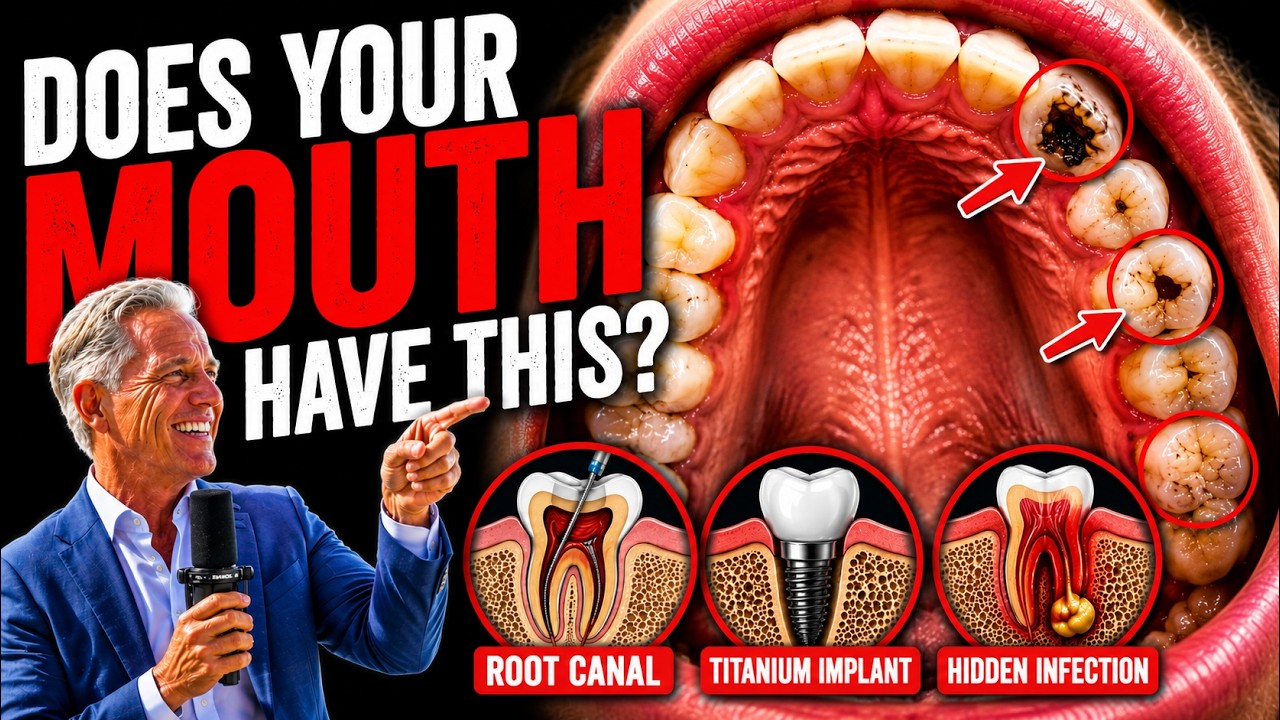
Titanium dental implants are coated with titanium dioxide, and the mouth is a genuinely harsh environment. Temperature shifts, acidity, and bacteria all accelerate wear. Corrosion and biofilm contribute to peri-implantitis, an inflammatory reaction around implants linked with bone loss.
What is happening at the immune level?
Macrophages and neutrophils respond to implant particles. Inflammatory signaling molecules including interleukins and TNF alpha rise locally, creating a destructive cycle. Rough implant surfaces help with initial integration but once exposed they become an ideal landing zone for anaerobic bacteria that produce endotoxins.
The practical takeaway is not to fear implants categorically. It is to understand materials, risk factors, and how chronic oral inflammation becomes a systemic stressor over time.
The Trigeminal Nerve and Why Dental Infections Affect Your Whole System
What is the trigeminal nerve and why does it keep coming up in chronic illness conversations?
It is the main sensory nerve of the head and neck with branches feeding information directly to the brainstem. Chronic dental infections, cavitations, infected root canals, and ongoing oral inflammation send constant danger signals through this pathway.
How does that affect the rest of the body?
The trigeminal system sits close to the vagus nerve. Constant alarm signals from oral infections can interfere with the parasympathetic nervous system, making it genuinely harder to access rest and digest mode. The downstream effects are familiar to a lot of people: chronic fatigue, poor sleep, and digestive problems that do not respond to gut-focused protocols because the nervous system is still stuck in threat mode.
What about cortisol?
Persistent stress signaling through the HPA axis keeps cortisol elevated when it should be dropping. That pattern contributes to sleep disruption, weight-loss resistance, and symptoms people often chase with downstream fixes that never fully land because the upstream driver is still active.
The Clinical Approach: Remove Before You Add
What does a thorough biological dental workup actually involve?
Advanced imaging including cone beam CT, intra-oral X-rays and photos, plaque and microbial analysis, and a careful history that correlates dental work with the onset of chronic symptoms. The timeline matters because it can reveal patterns that standard medicine misses entirely.
What is the "remove before you add" principle?
Instead of layering more protocols onto an already burdened system, the goal is identifying upstream stressors first. Dental toxins, hidden infections, environmental mold exposure in the home. Address those and the downstream protocols start working the way they were supposed to.
Prevention, Airway, and the Heart Disease Connection
What does childhood orthodontics have to do with long-term health?
Airway-focused functional orthodontics supports proper jaw development and reduces the need for extractions that can create future cavitation risk. Getting the structure right early prevents a category of problems that becomes much harder to address in adulthood.
What is the most striking systemic connection in the research?
Oral bacteria found in coronary plaques after heart attacks. The mouth is not a separate system. It is a direct pathway into circulation, and what lives there chronically does not stay there. Biological dentistry as part of integrative chronic disease care is not fringe. It is a missing piece that the research keeps pointing toward.