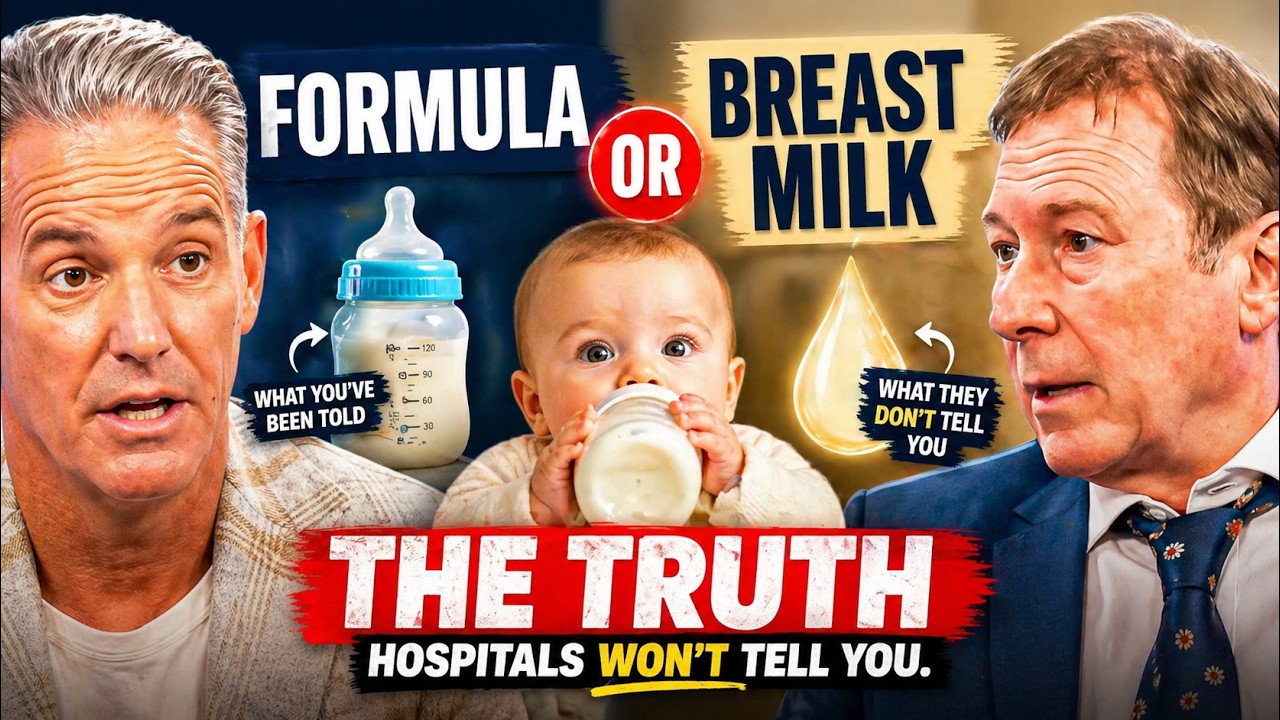
Preterm Formula, NEC, and What NICU Families Are Not Being Told
The Core Medical Risk
What is necrotizing enterocolitis and why does it matter for premature infants?
Necrotizing enterocolitis, or NEC, is a catastrophic intestinal disease that can be fatal in premature infants. Survivors face surgery, short gut syndrome, ongoing sepsis risk, and long-term neurodevelopmental challenges. The disease is directly connected to feeding decisions made in the earliest, most fragile days of life.
What is the link between cow's milk-based preterm formula and NEC?
Research shows a sharply higher risk of NEC in premature infants fed cow's milk-based formula compared to those receiving human milk diets. The epidemiological signal is strong enough that critics argue it demands transparency and wider access to human-derived alternatives, even without perfect clinical trial data.
Why is preterm formula biologically difficult for an immature gut?
Human milk contains hundreds of protective human milk oligosaccharides that formula does not replicate. Preterm formula also contains processed carbohydrates like maltodextrin and modified food starch, industrial fats, and other additives that an immature digestive system struggles to process. Early gut inflammation from these inputs connects to later immune and developmental problems.
What Families Are Not Being Told
What alternatives to preterm formula exist for premature infants?
Donor human milk and human milk fortifiers are available and have been for decades. Products from companies like Prolacta represent human milk-based fortification options that exist within the current supply chain. Human milk diets are widely understood to be protective for preterm infants, particularly the most vulnerable ones.
Why are NICU families often unaware these alternatives exist?
Parents in NICUs are exhausted, frightened, and conditioned to trust the institution. Feeding decisions are made quickly, often without explicit discussion of risks or alternatives. When a mother's milk supply is limited and rapid caloric growth is prioritized, staff often default to formula without presenting the decision as a choice at all.
What role do formula companies play in shaping NICU feeding practices?
Formula manufacturers may supply products to hospitals at low or no cost, fund research, and participate in staff education. Critics argue this creates assumptions within NICU culture that normalize formula use. The downstream effect is long-term brand loyalty that begins at the most vulnerable moment of an infant's life, while families remain unaware that a high-stakes choice was made for them.
The Legal Cases
What are families suing over?
Litigation runs on two tracks. Product liability claims target manufacturers for alleged defective design and failure to warn about NEC risk. Informed consent claims target hospitals for not disclosing material risks or telling families about reasonable alternatives before feeding decisions were made.
Have these cases resulted in significant verdicts?
Yes. Some jury verdicts have included punitive damages against formula manufacturers. The industry has also pursued liability shields through Congress, which signals the scale of legal exposure manufacturers are managing.
Health Equity and Access
Do all NICU families have equal access to donor human milk?
No. Poorer hospitals and less-resourced families have less access to donor milk. This gap directly increases NEC rates in already vulnerable populations. The supply chain for human milk-based alternatives can expand if incentives align, but current market and policy structures do not push in that direction.
What Needs to Change
Is this primarily a legal problem?
No. The litigation is one accountability mechanism, but the underlying problem spans multiple systems. NICU feeding policy determines what infants receive by default. FDA regulation gaps allow formula products to reach the most vulnerable patients without adequate warning requirements. Neonatal nutrition education shapes what clinicians recommend and what families are told. Infant mortality and long-term disability costs sit at the intersection of all three.
What should NICU families ask about feeding decisions?
Ask whether donor human milk or a human milk-based fortifier is available. Ask what the NEC risk difference is between formula and human milk for your infant's gestational age. Ask to be informed of all material risks before any feeding protocol begins. These are not unreasonable requests. They are the standard informed consent requires.