The Building You Live in Might Be Why You Feel Terrible
When the Problem Is Not You, It Is Your Walls
Why do so many people with "unexplained illness" keep hitting dead ends?
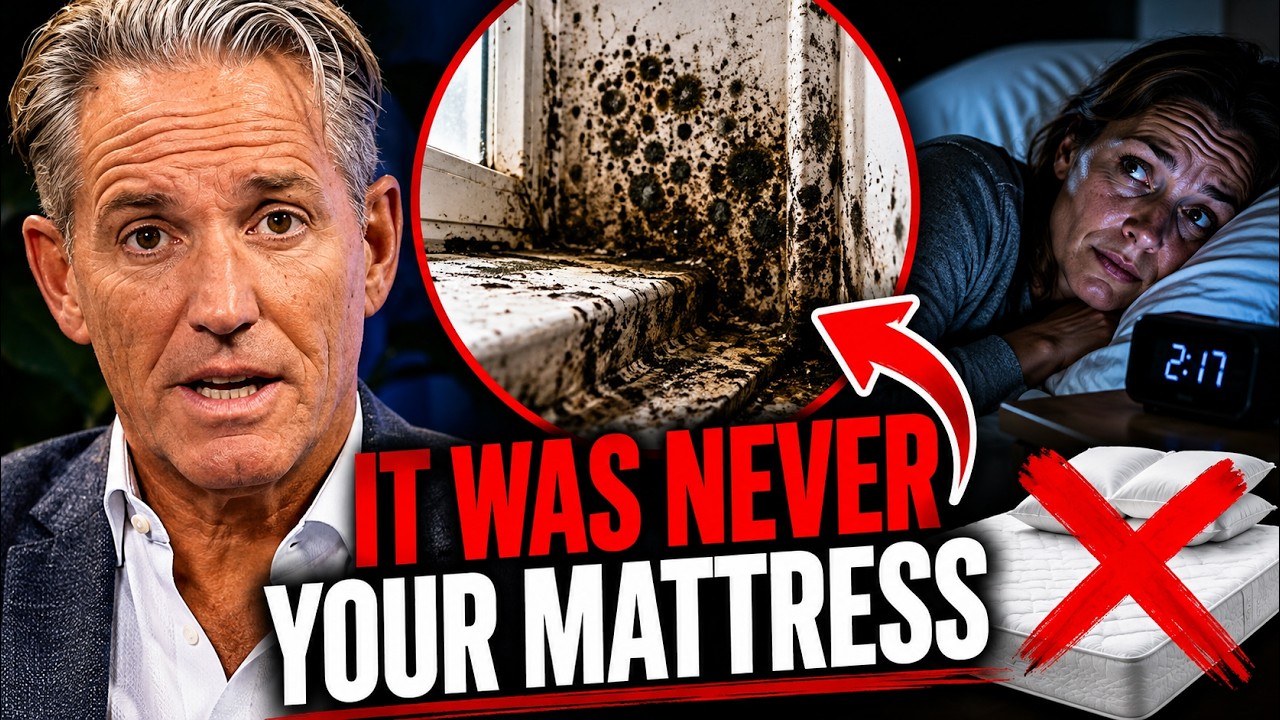
Because nobody looked at the building. Fatigue, brain fog, anxiety, poor sleep, thyroid issues, gut problems, and stubborn weight gain can all trace back to toxic mold exposure in a home that looks completely fine from the inside. The critical distinction is that mold illness is often not an allergy and not a simple spore problem. The real harm frequently comes from mycotoxins: biotoxins produced by certain molds when growth amplifies inside walls, attics, floors, ducts, or damp materials. You may never smell it. You may never see it, especially when you are living in the space every day and your baseline has slowly shifted.
Why Most Home Mold Tests Miss the Actual Problem
What does a standard mold test actually measure?
Airborne spores in the living area, which is often not where the most dangerous exposure is happening. Hidden active growth behind building materials can produce mycotoxins without generating the spore counts that typical tests detect. That mismatch is why people get a clean test result and still feel sick.
Mycotoxins can disrupt brain function and hormones including leptin signaling, which affects appetite control and fat burning, and antidiuretic hormone, which can drive frequent urination at night. This helps explain weight loss resistance, night vision changes like halos around lights, and the experience of doing everything right and still feeling stuck. Once you understand mycotoxin exposure as a systemic toxic load, symptoms that seemed random start forming a pattern.
Why Modern Construction Creates the Problem
What makes American homes particularly vulnerable to mold amplification?
Drywall paper and insulation provide mold food. Small leaks or sustained humidity above 50 percent can create long-term growth in enclosed cavities without any visible sign. Poor sealing around windows and doors allows hot humid air to meet cold air-conditioned surfaces, creating condensation and hidden growth behind walls.
Practical prevention steps worth implementing now include managing indoor humidity consistently, running bathroom fans on a timer rather than continuously to avoid negative pressure, and using energy recovery ventilators to bring in fresh air while maintaining slight positive pressure. For HVAC systems especially in humid climates, keeping the fan set to on reduces coil moisture cycles that allow fast-growing molds like Aspergillus to establish, and UV coil devices add another layer of protection.
The Testing and Recovery Roadmap
What is the recommended sequence for finding hidden mold?
Start with a trained mold dog to identify problem zones. Follow with a qualified building biologist to confirm sources through targeted inspection and testing. This sequence tends to locate what standard air testing misses.
On the health side, cellular detox and the cellular danger response concept explain why the body can stay locked in a defensive state long after exposure ends, creating lingering sensitivity and chronic inflammation even in a clean environment.
The Small Fixes Most People Overlook
What are the easy household changes worth making immediately?
Leave washing machine doors and detergent drawers open between uses to dry completely. Run tub-clean cycles regularly. Use vinegar spray on rubber seals. Crack the dishwasher door after a run to vent moisture rather than letting it sit.
When traveling, do a quick check before settling in: smell the room, inspect the vents, and look under the toilet tank lid for black growth. A moldy hotel room can trigger symptoms within hours and the exposure is easy to avoid once you know what to look for.